Case Study · Harm Reduction · Racial Justice · Publication Design · Community Arts
Louisville Recovery Community Connection
Harm reduction handouts, racial equity advocacy, and a community art show for Black creatives — a years-long creative partnership with one of Louisville's most principled recovery organizations.
An organization built on the premise that most recovery orgs haven't fully reckoned with the racial dimension of who gets to recover.
Louisville Recovery Community Connection operates from a premise that most recovery organizations haven't fully reckoned with: the addiction crisis in the United States has always hit Black and brown communities hardest, and the system built to address it has largely failed them.
LRCC is peer-led, rooted in Louisville's West End, and explicit about the populations it prioritizes. It runs peer support, support groups, overdose response training, naloxone distribution, fentanyl test strips, resource navigation, and a mobile recovery unit. It goes where people are.
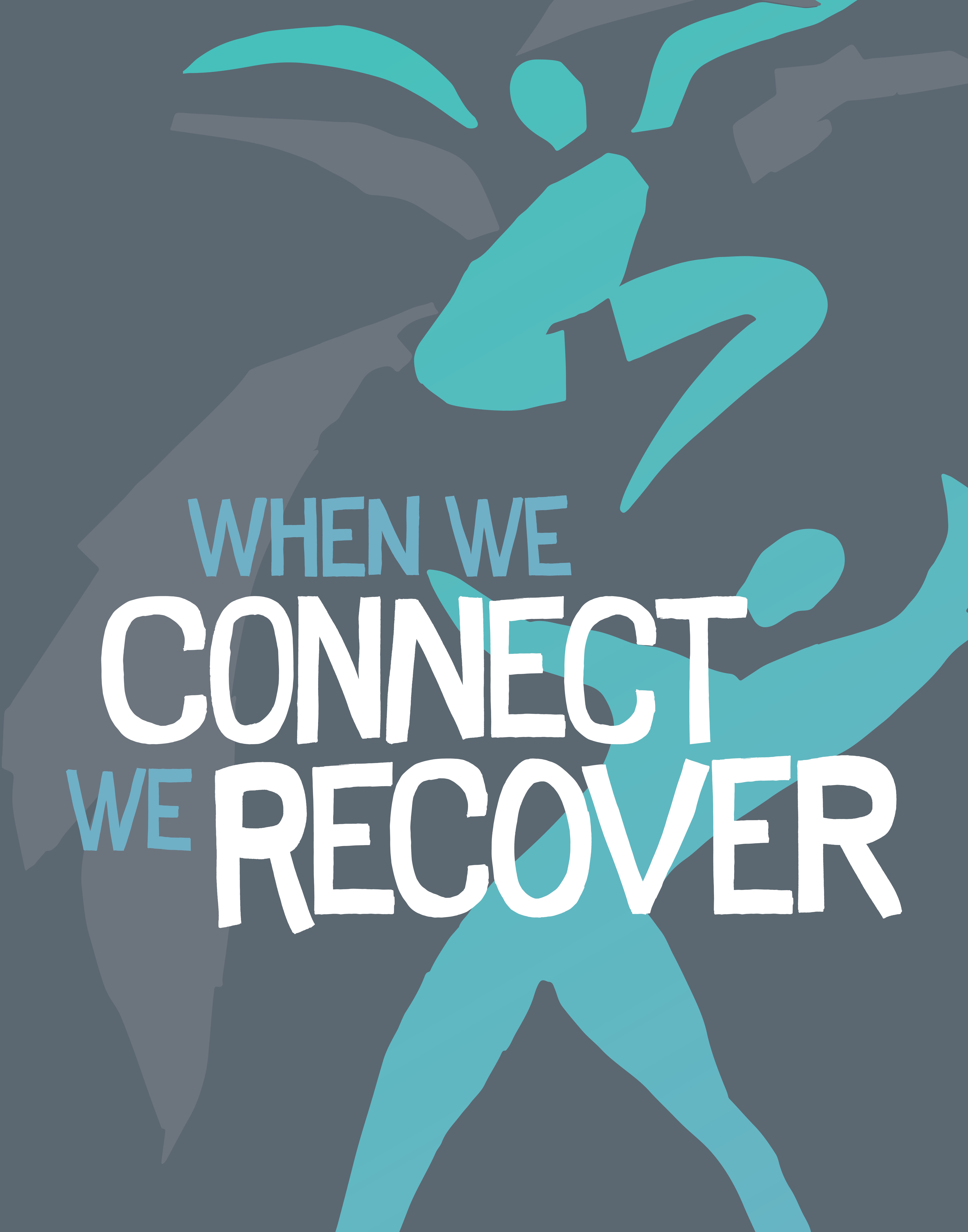
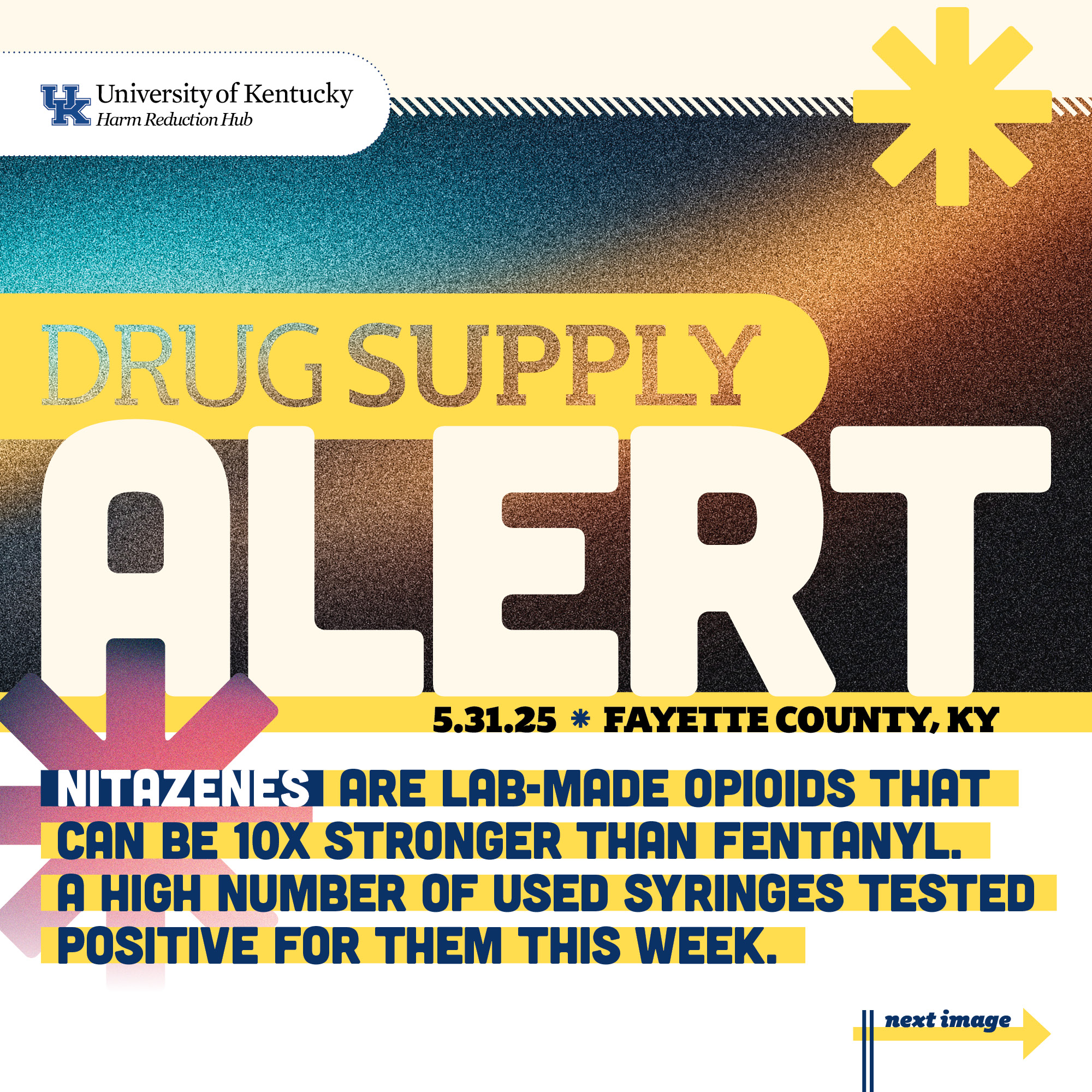
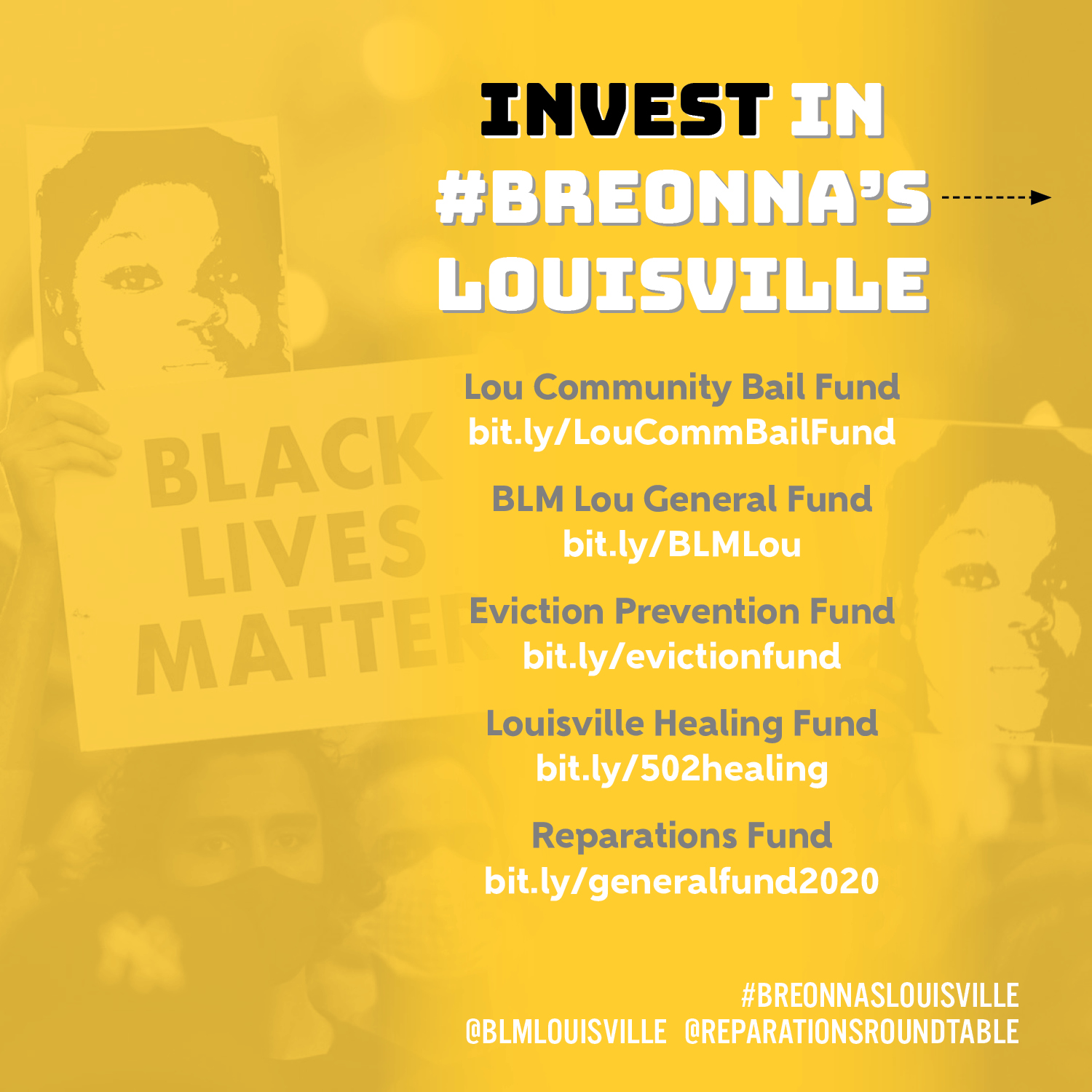
My work with LRCC spans several distinct bodies of work — harm reduction print, a racial equity advocacy campaign, a program centered on Black creatives, community flyers, training presentations, and organizational stationery. They're all connected by the same organizational character: direct, non-stigmatizing, and serious about who gets to recover.
A complete identity system for an organization that had outgrown its existing materials.
Brand Guide
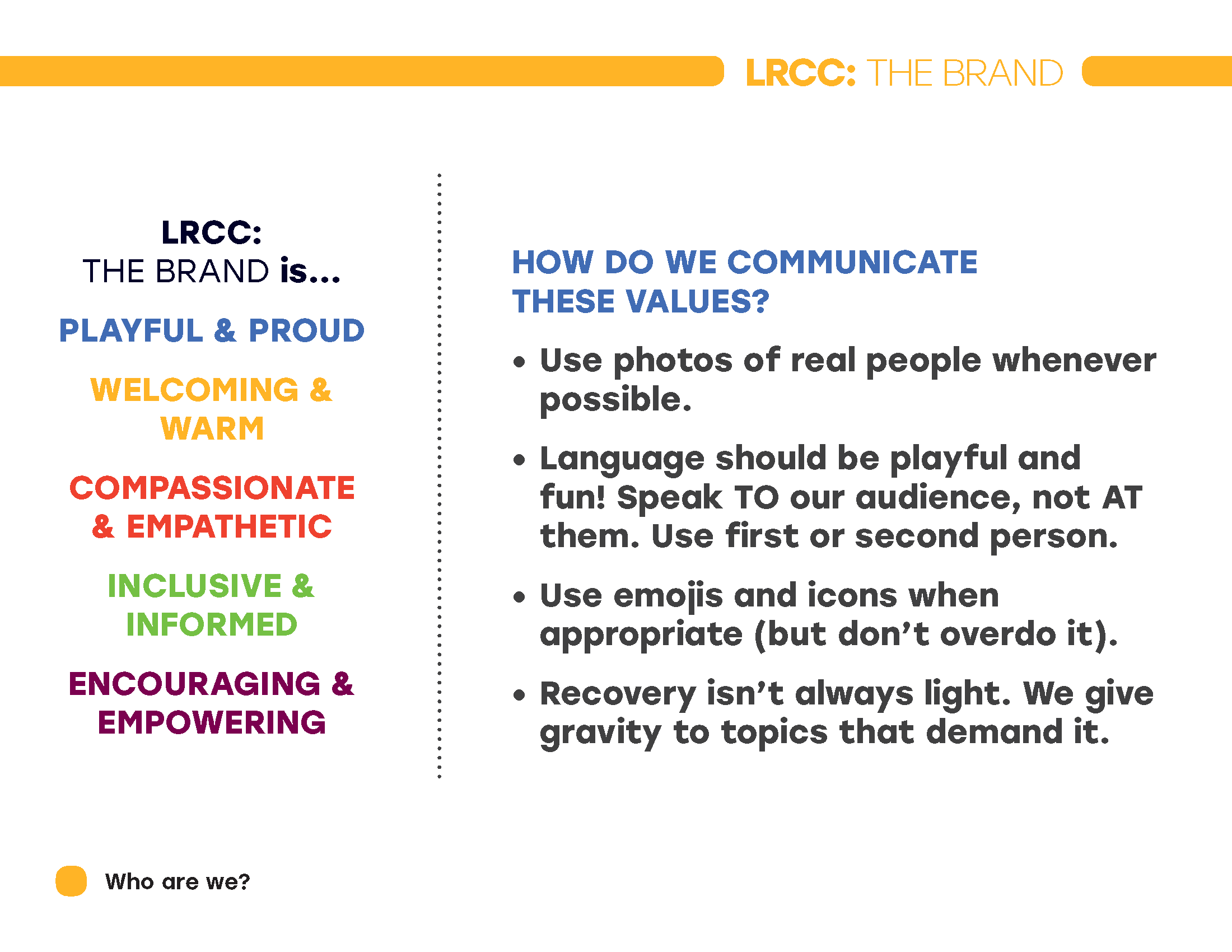
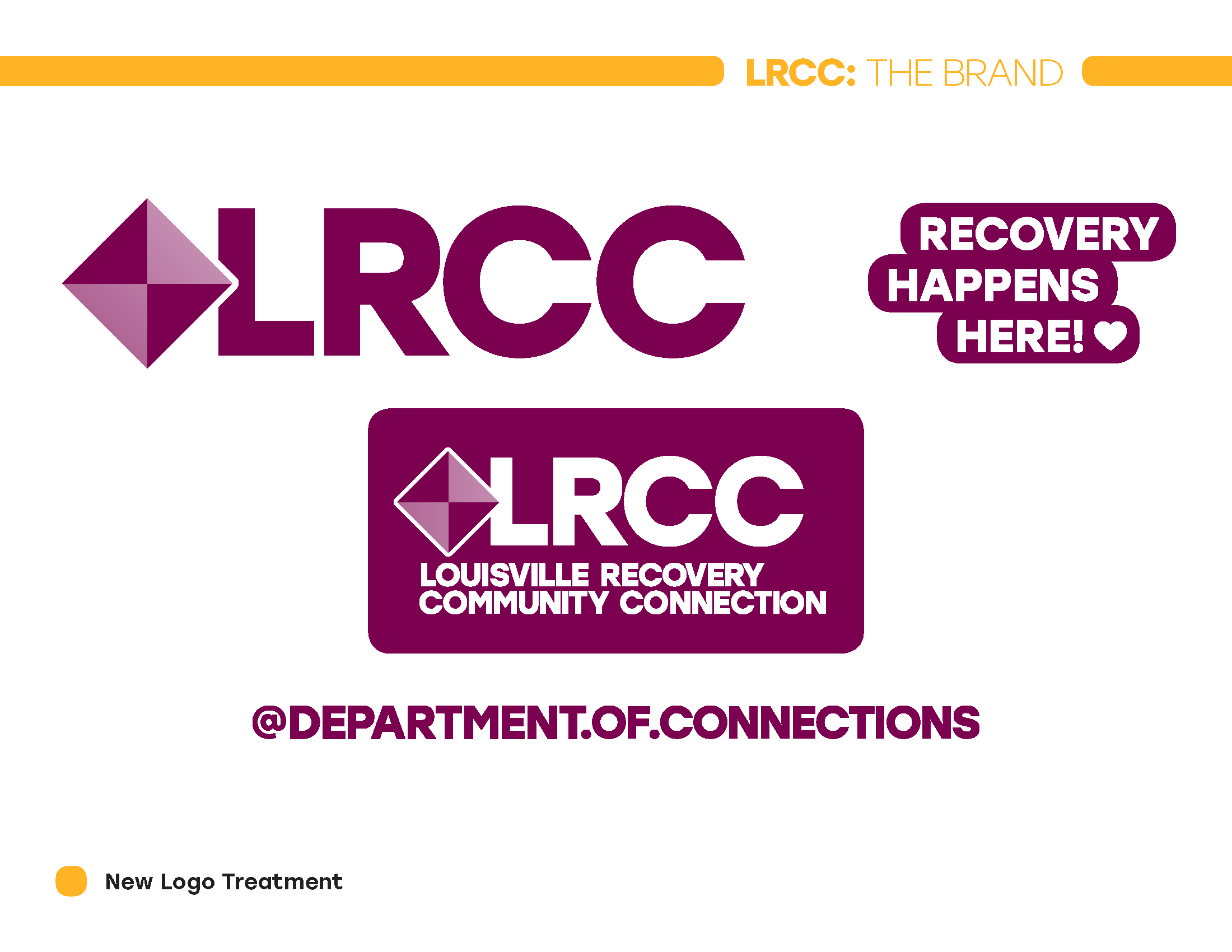
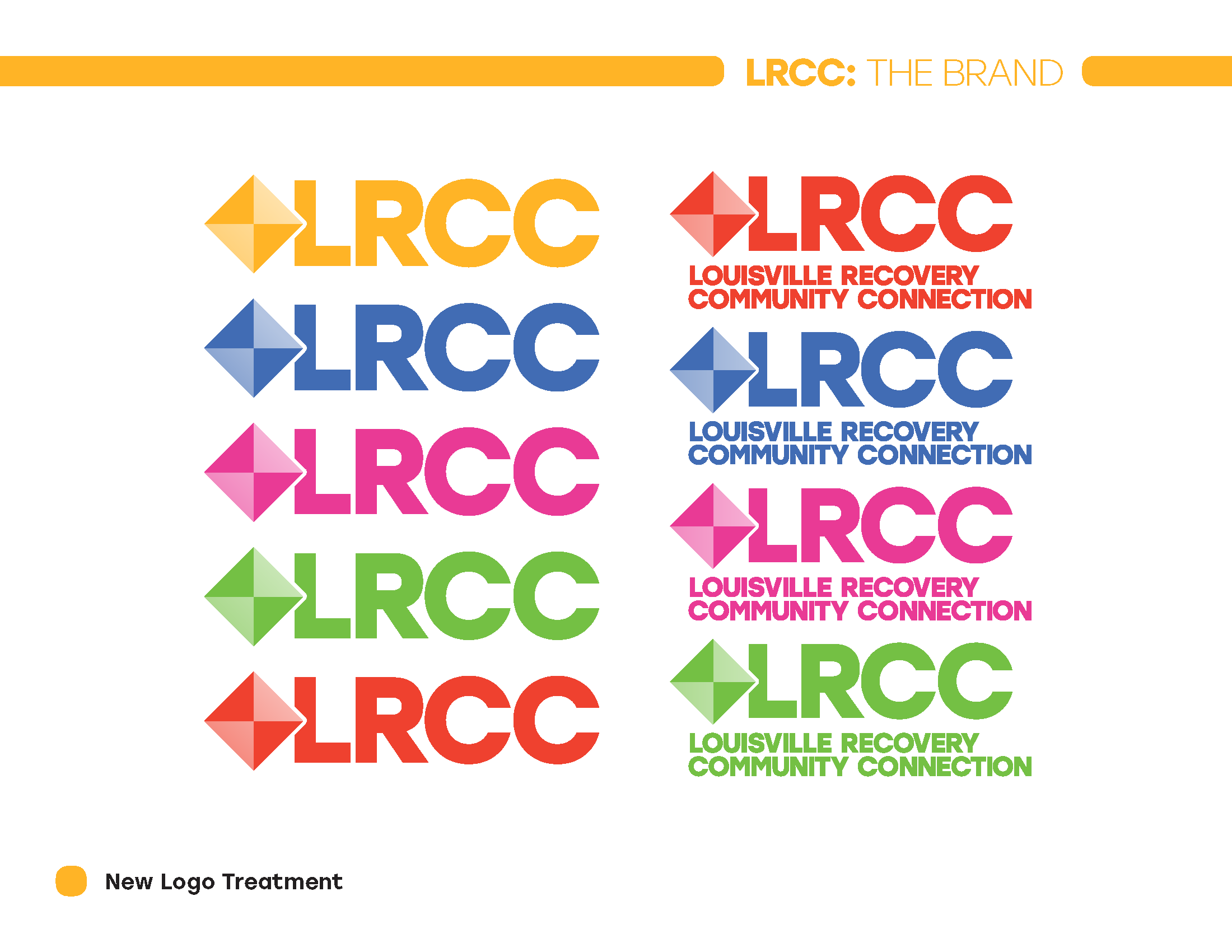
LRCC's identity had grown organically over years of grassroots organizing, but as the organization became more visible in advocacy work and community partnerships, the inconsistency showed. The rebrand gave staff a coherent visual language — color system, typography, logo usage rules, and tone guidelines — without requiring a full-time marketing department to maintain it.
The brand guide established two primary palettes — a deep blue and a warm green, both grounded in trust and community — and a type hierarchy that could scale from a business card to a poster without losing legibility. Every decision was made with a small, resource-constrained team in mind: the system had to be usable by people who aren't designers.
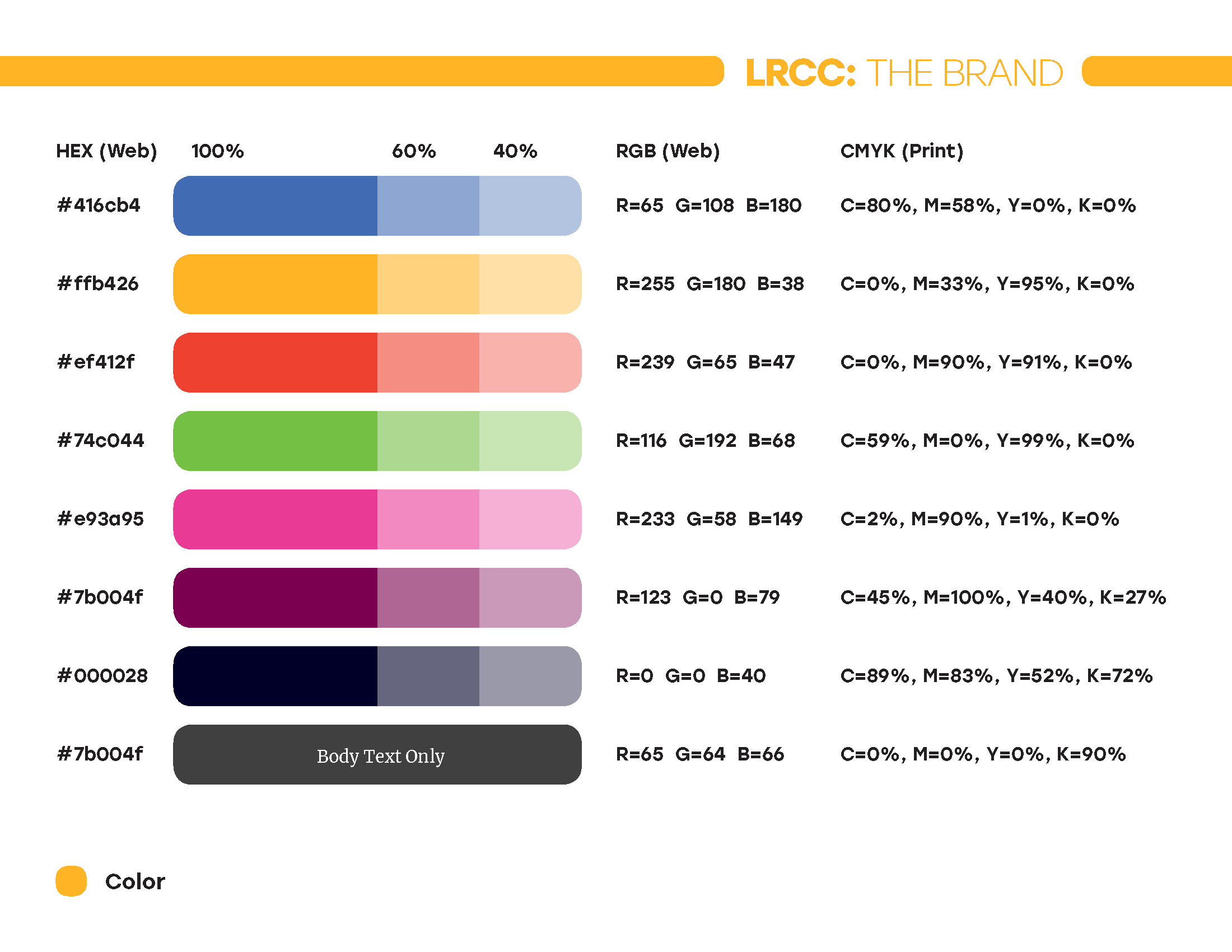
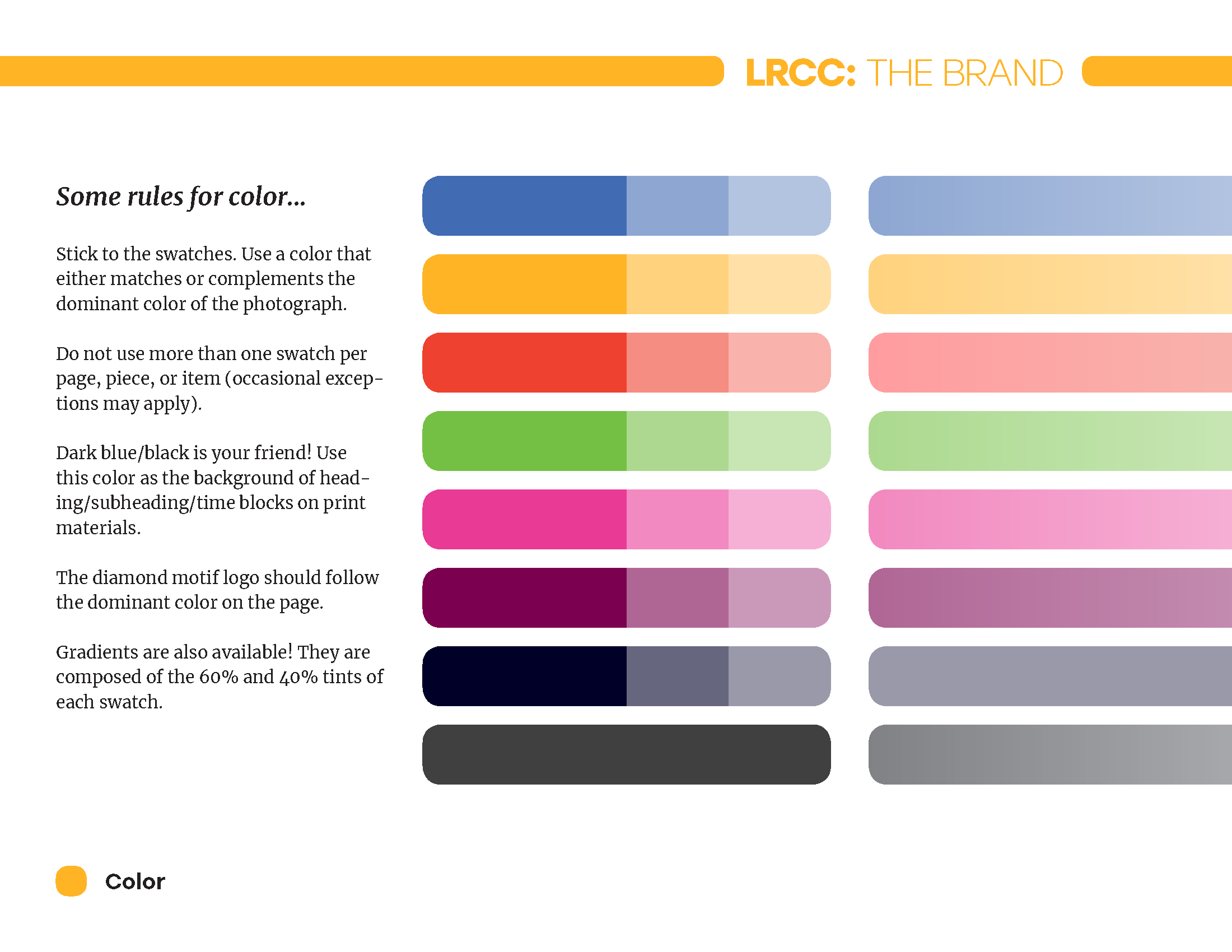
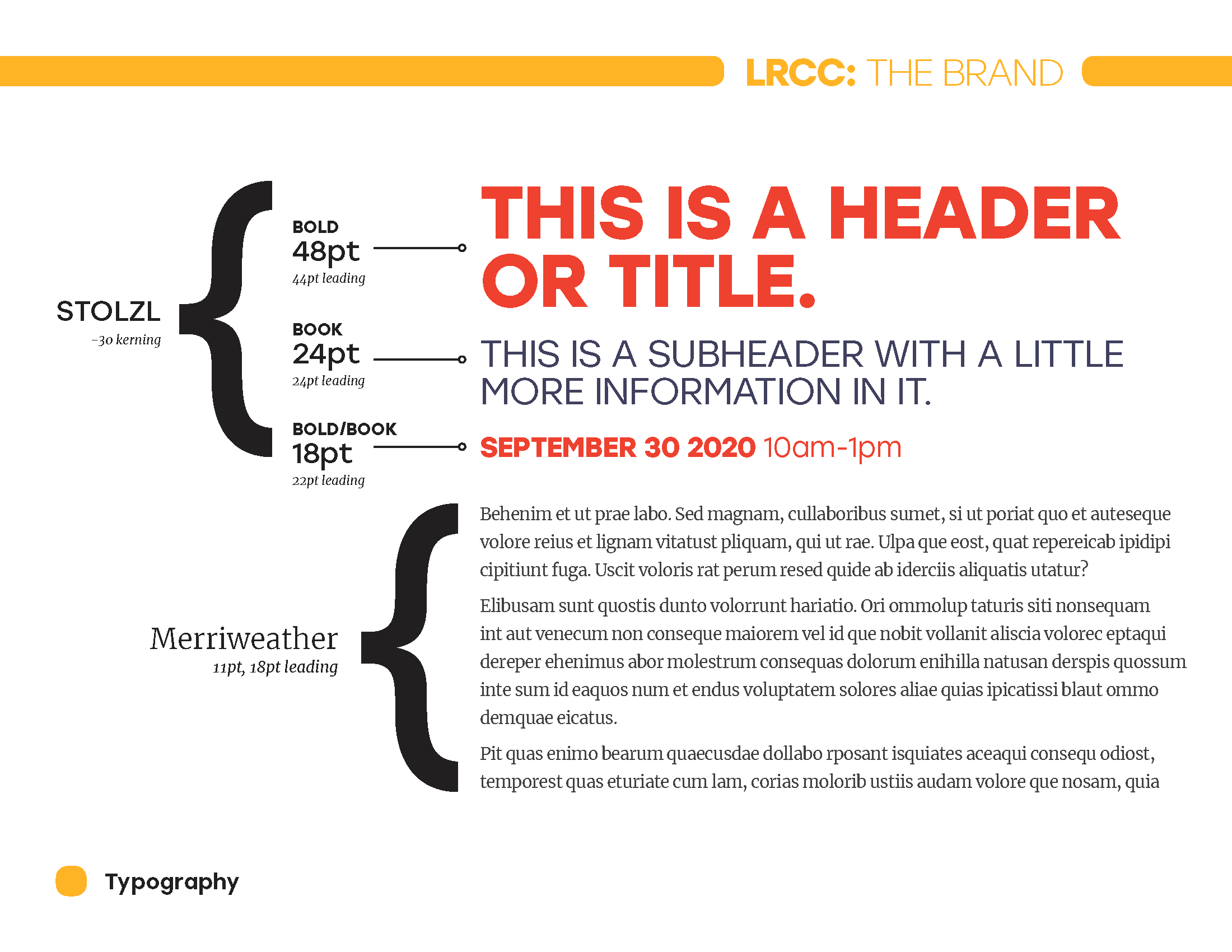
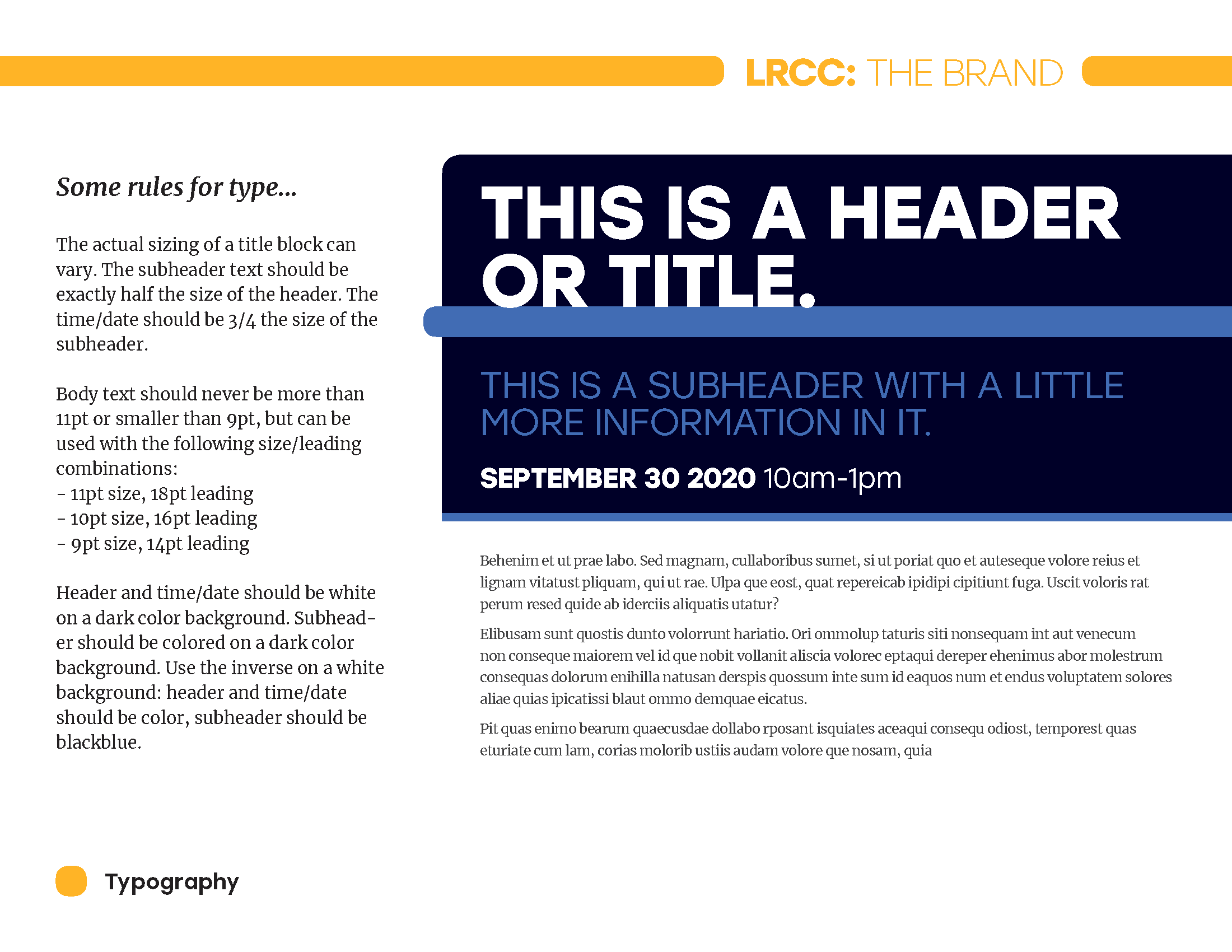
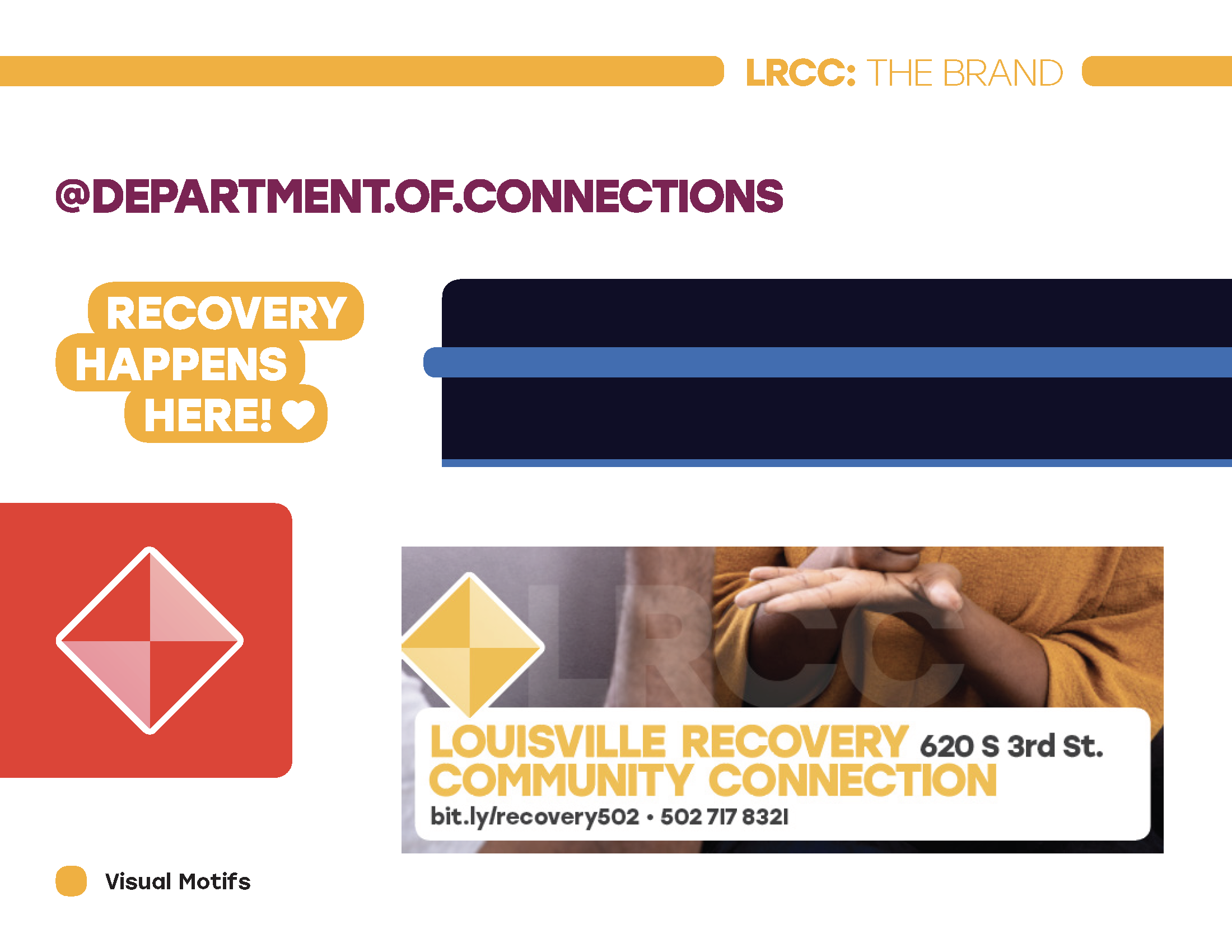
Brand guidelines document — 9 pages
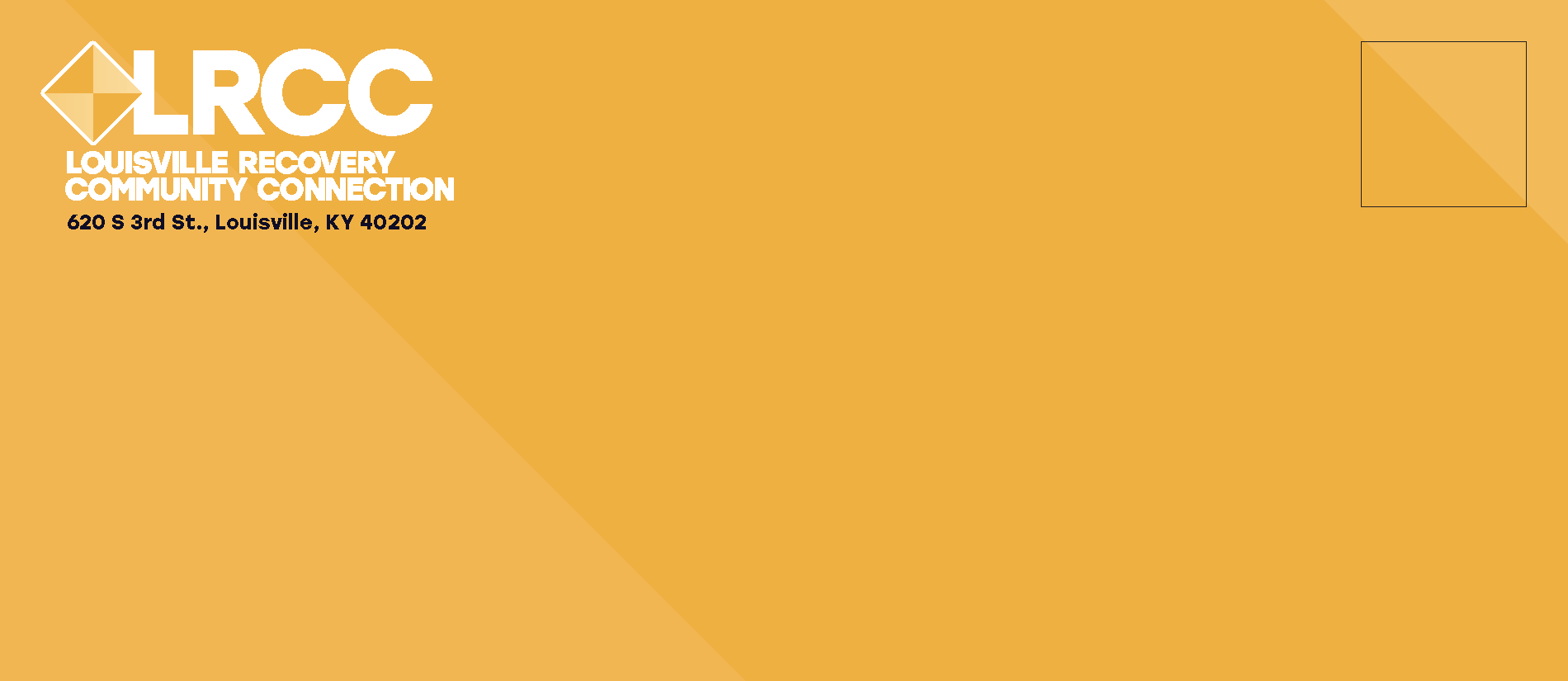
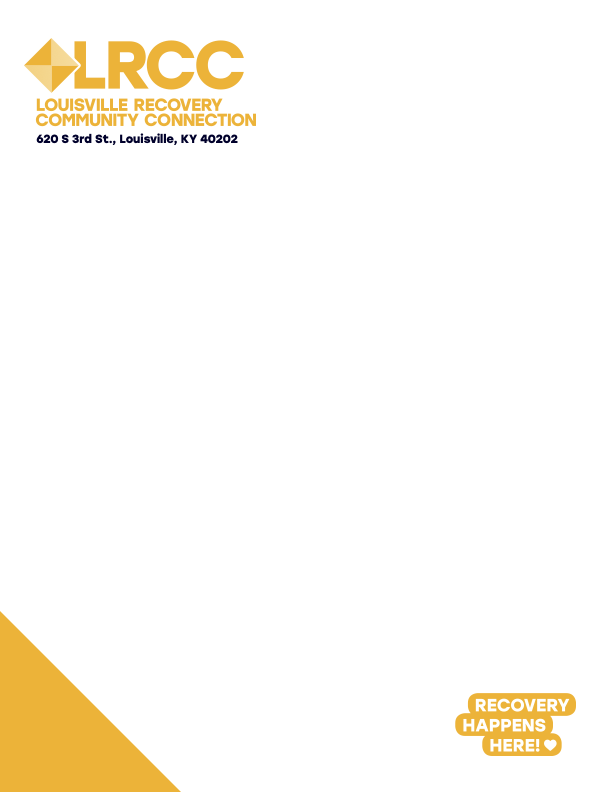
Stationery suite — envelope and letterhead
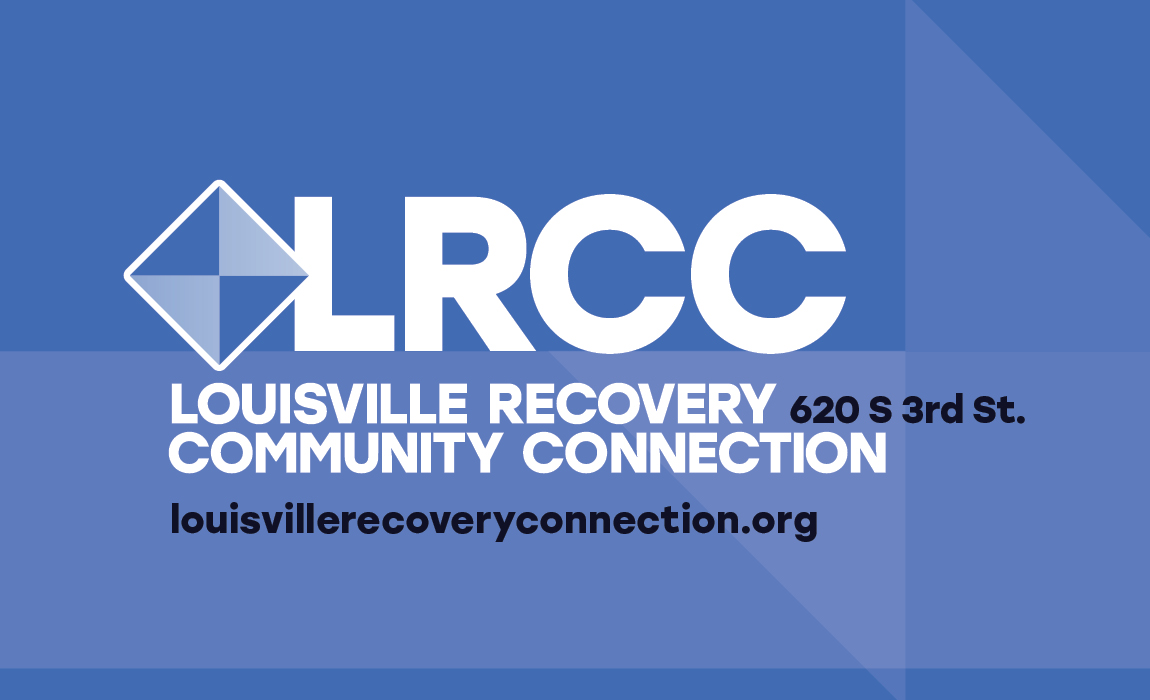
Business cards — blue and green colorways, front and back
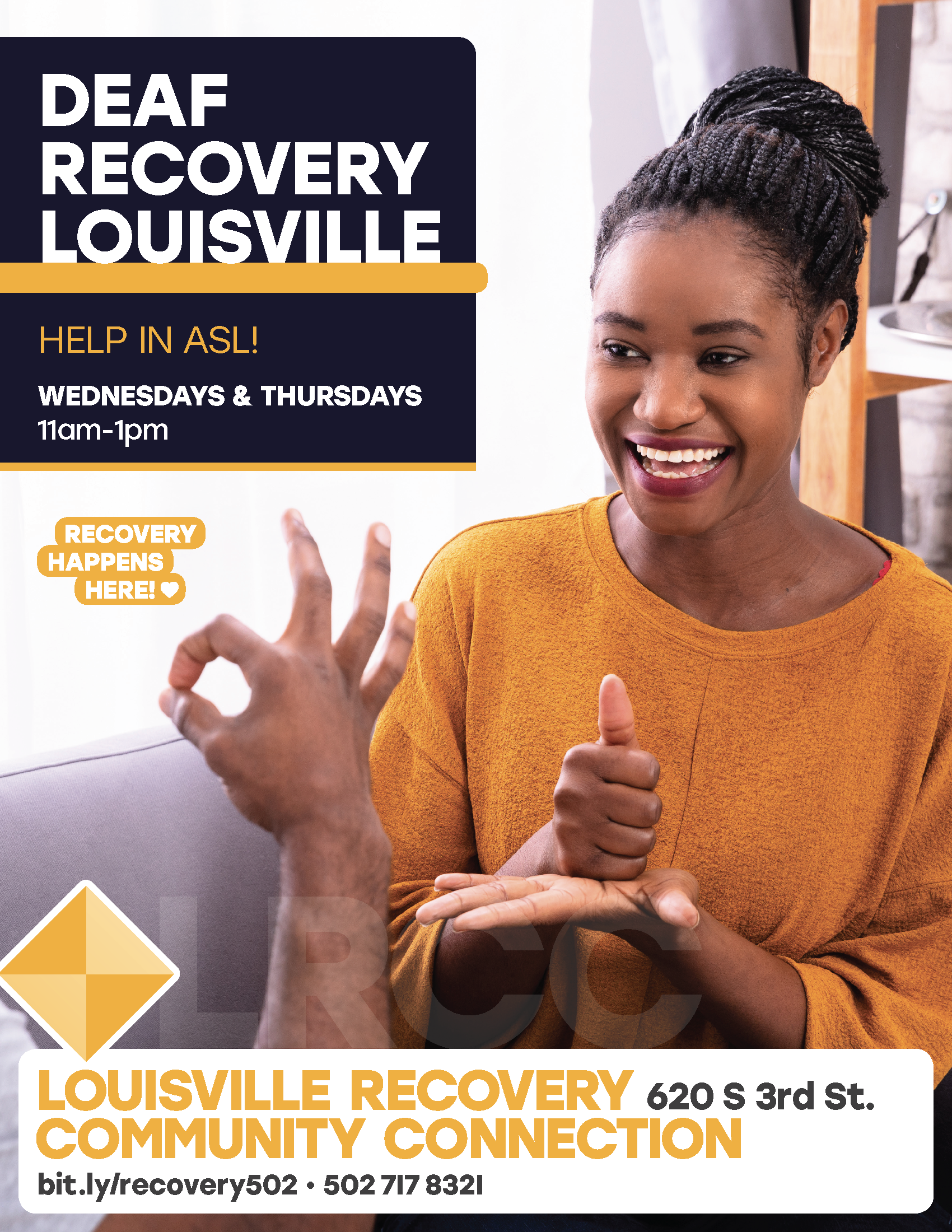
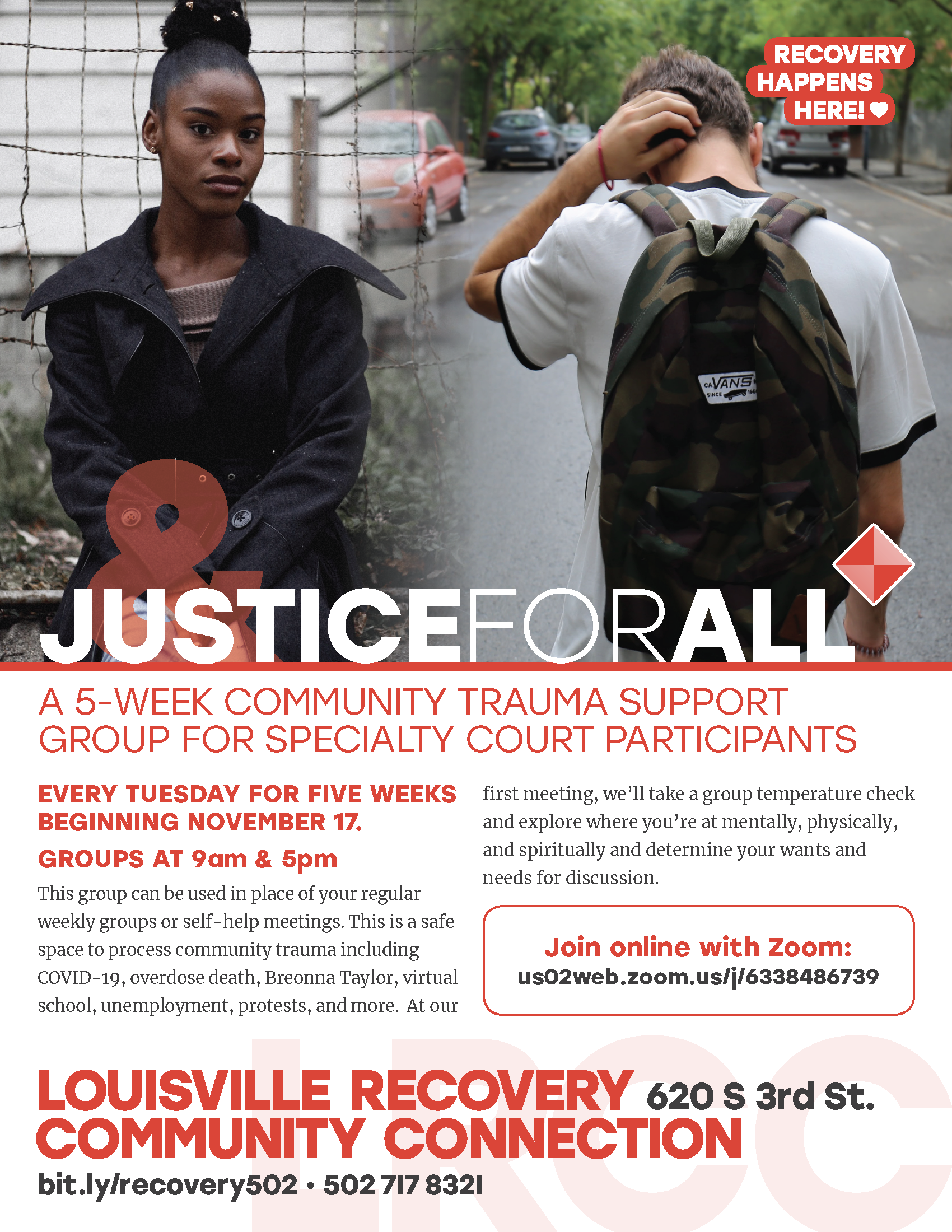
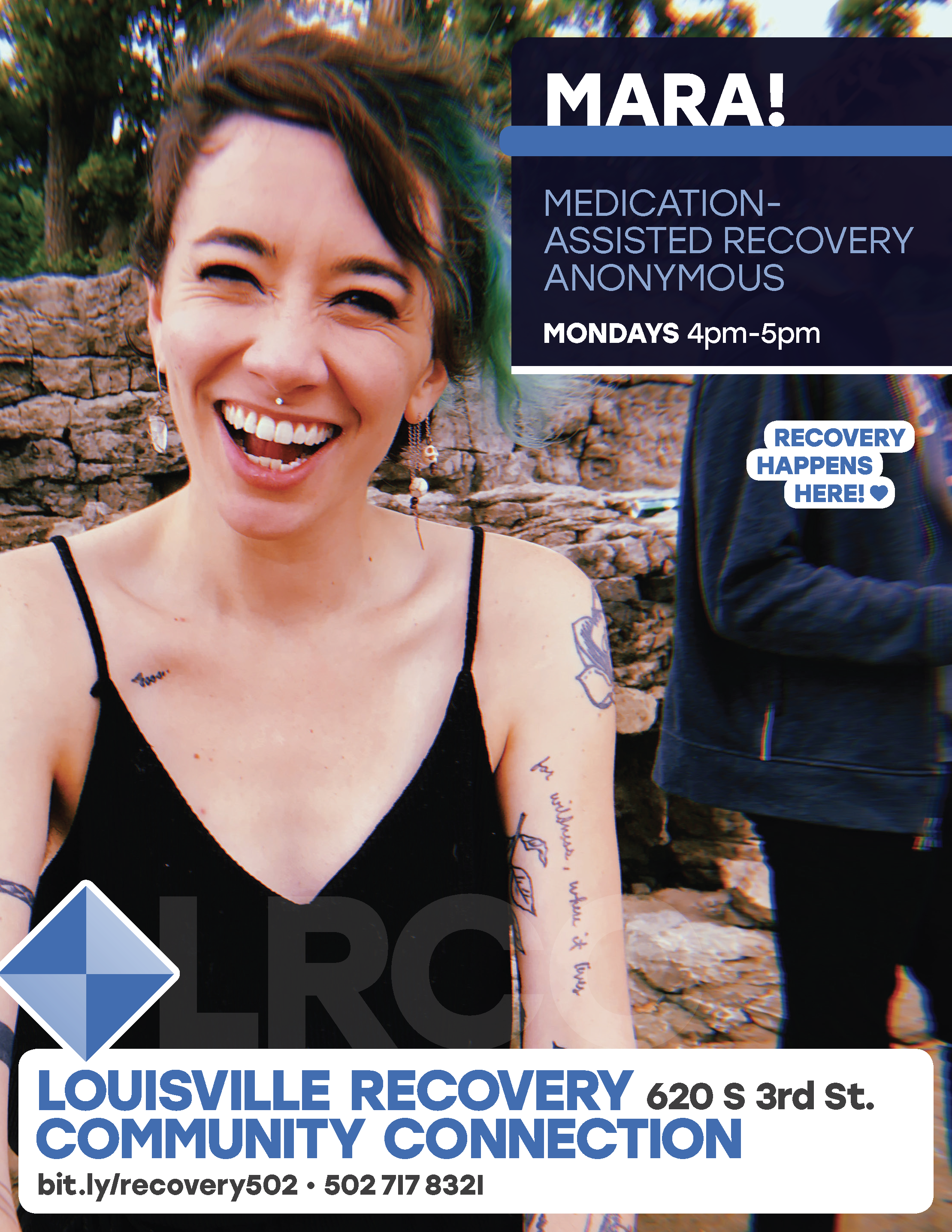
Community flyers — Deaf Recovery Louisville, Justice for All, Medication Assisted Recovery Anonymous
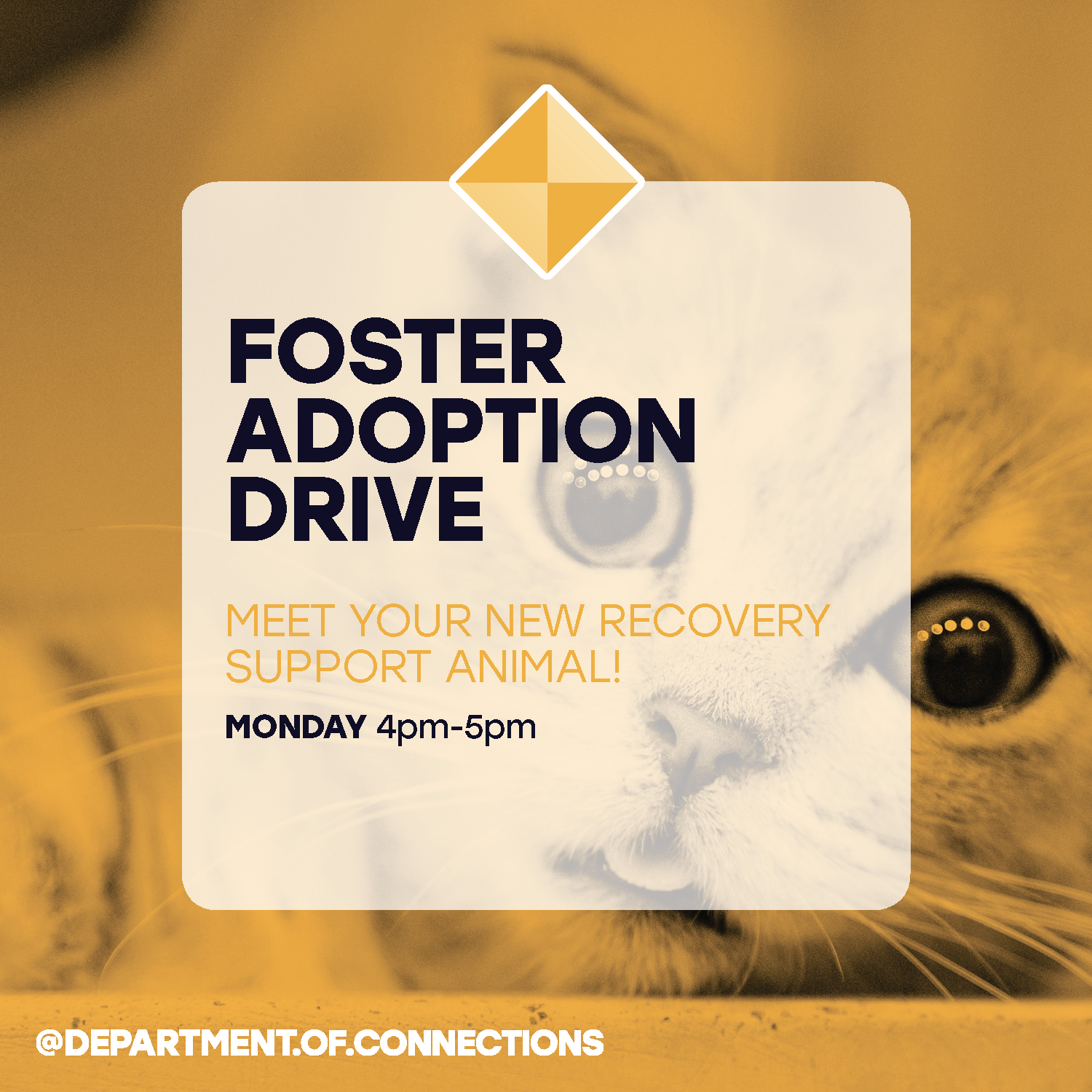
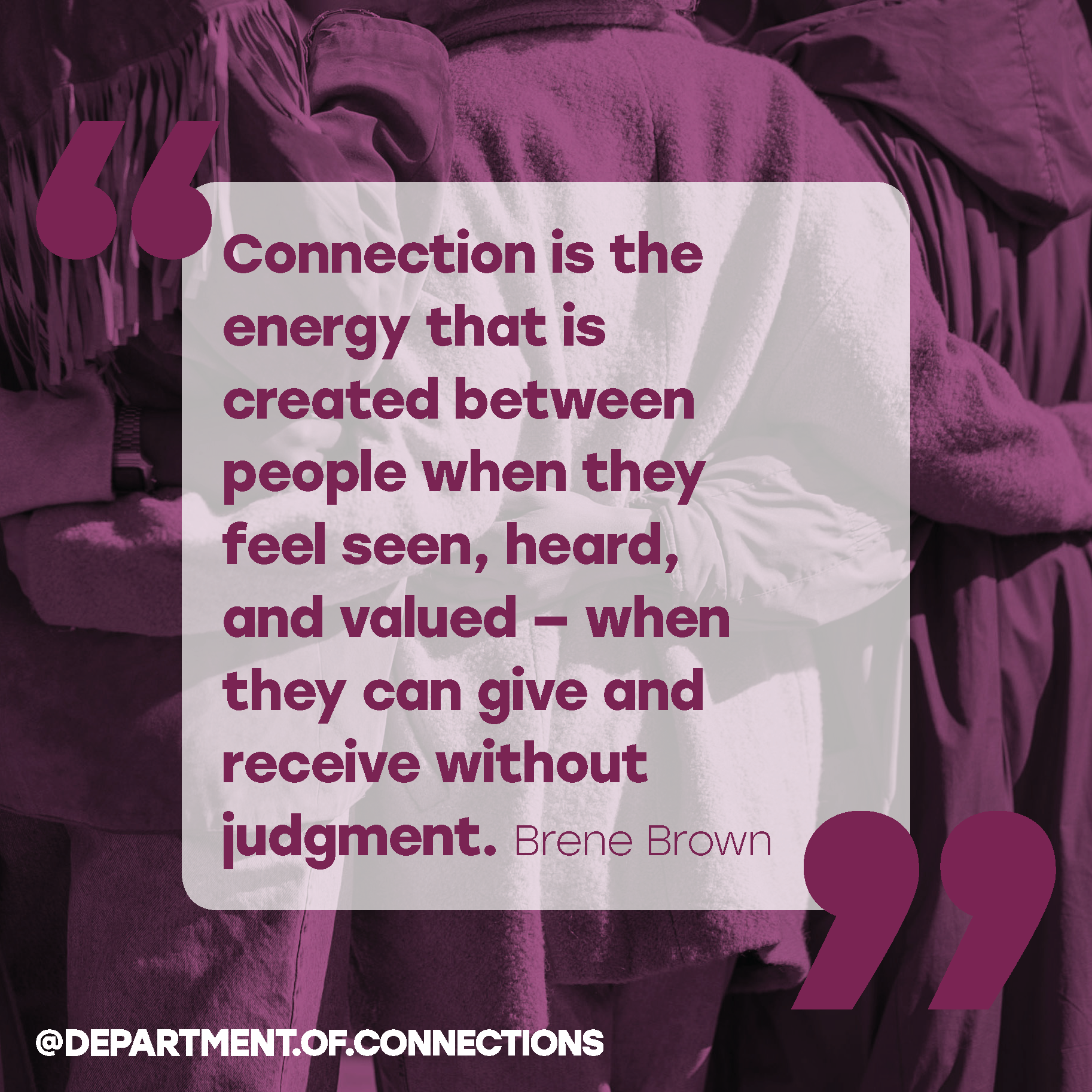
Instagram post templates


Posters
Naming what most recovery advocacy avoids: the racial dimension of who gets to recover.
The Second Epidemic campaign was built around a SAMHSA statistic that LRCC refused to let sit quietly in a footnote: nearly 90% of Black Americans who needed help for their Substance Use Disorder did not receive it. The campaign named it directly, connected it to LRCC's specific services and presence in Louisville's West End, and said plainly what the organization was doing about it.
The visual language is deliberately blunt — high contrast, bold type, no hedging. The campaign ran across Instagram and print, each piece structured around a single statistic or service claim paired with a clear call to action. Where most recovery communications lean on aspiration, this one led with accountability.
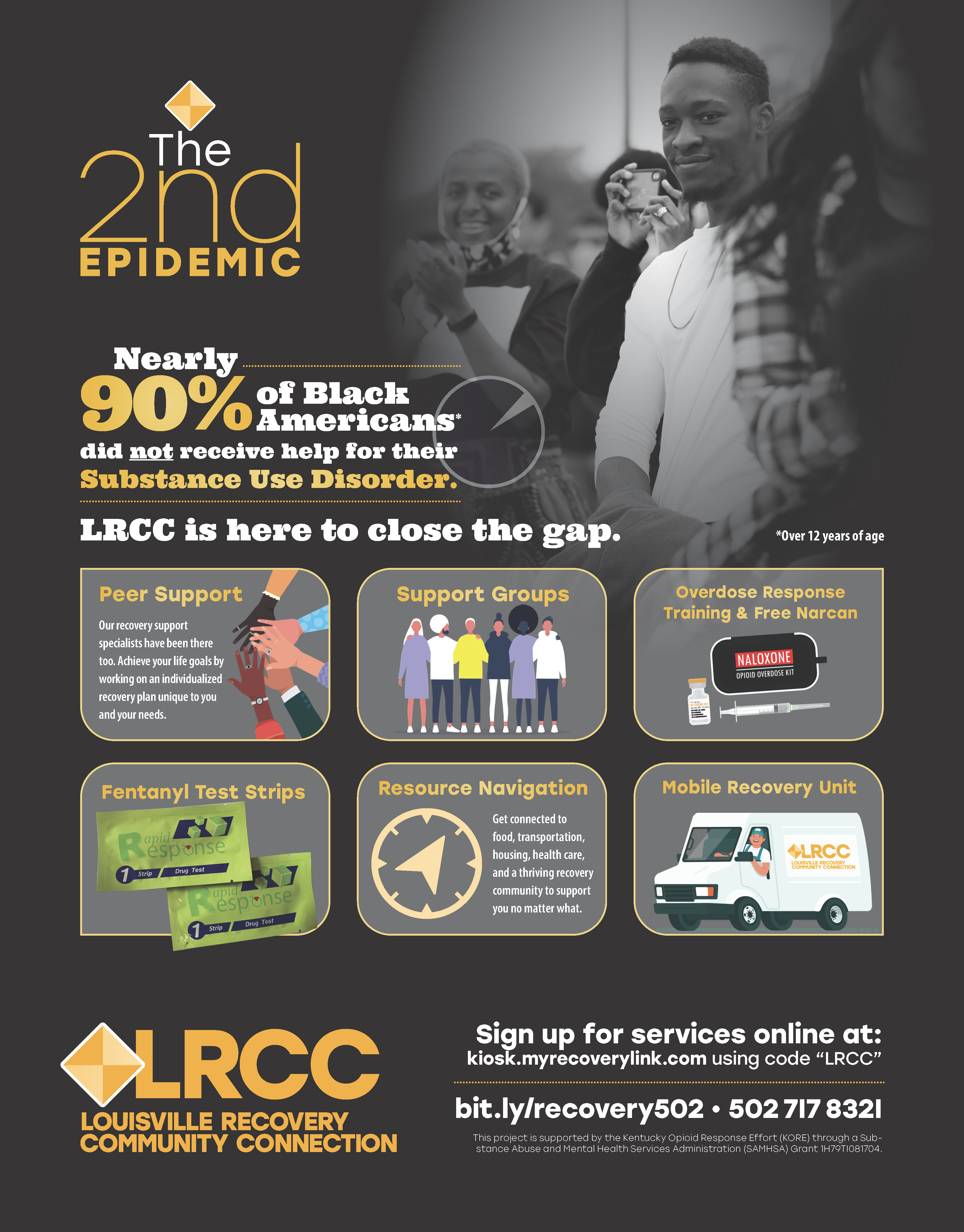
Second Epidemic flyer
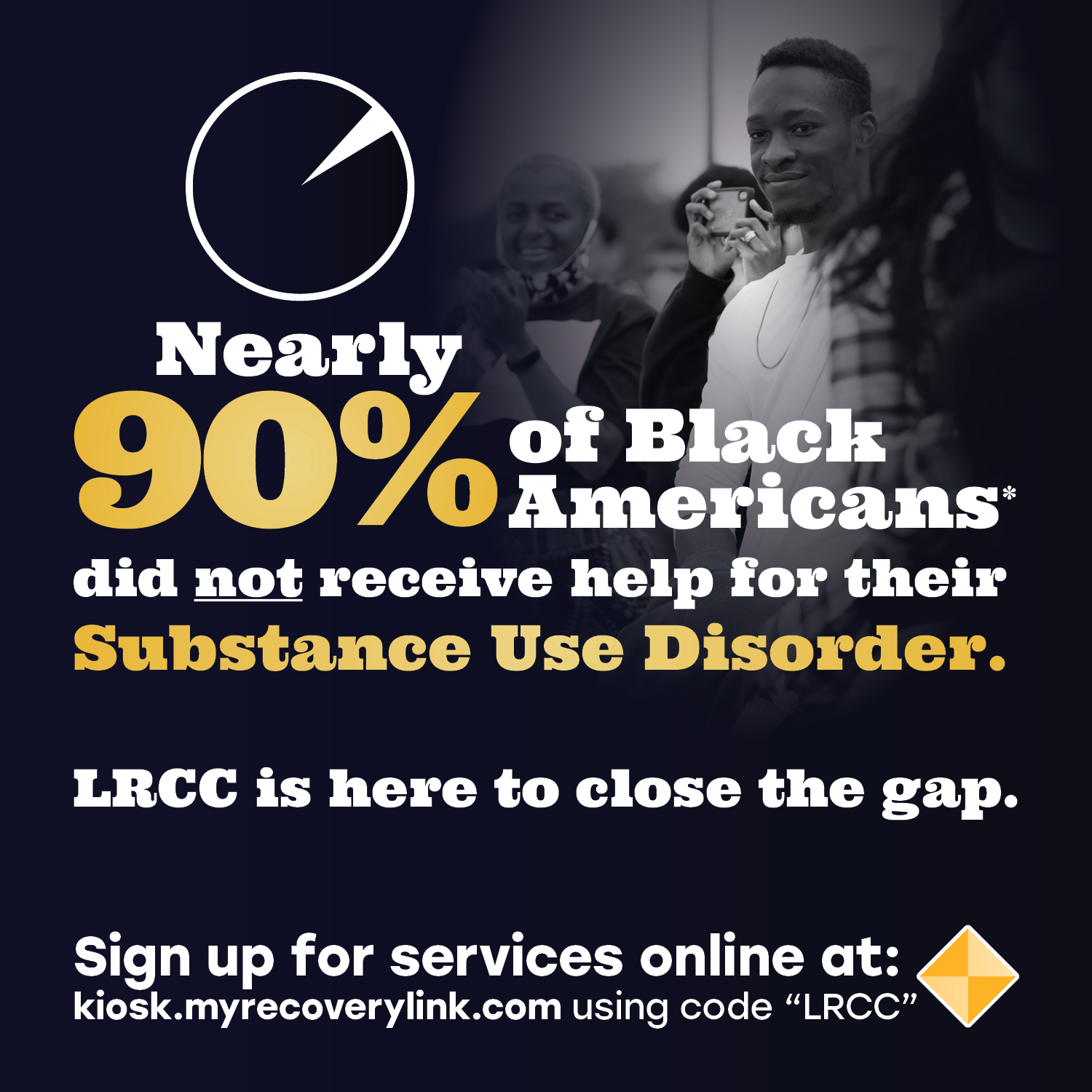
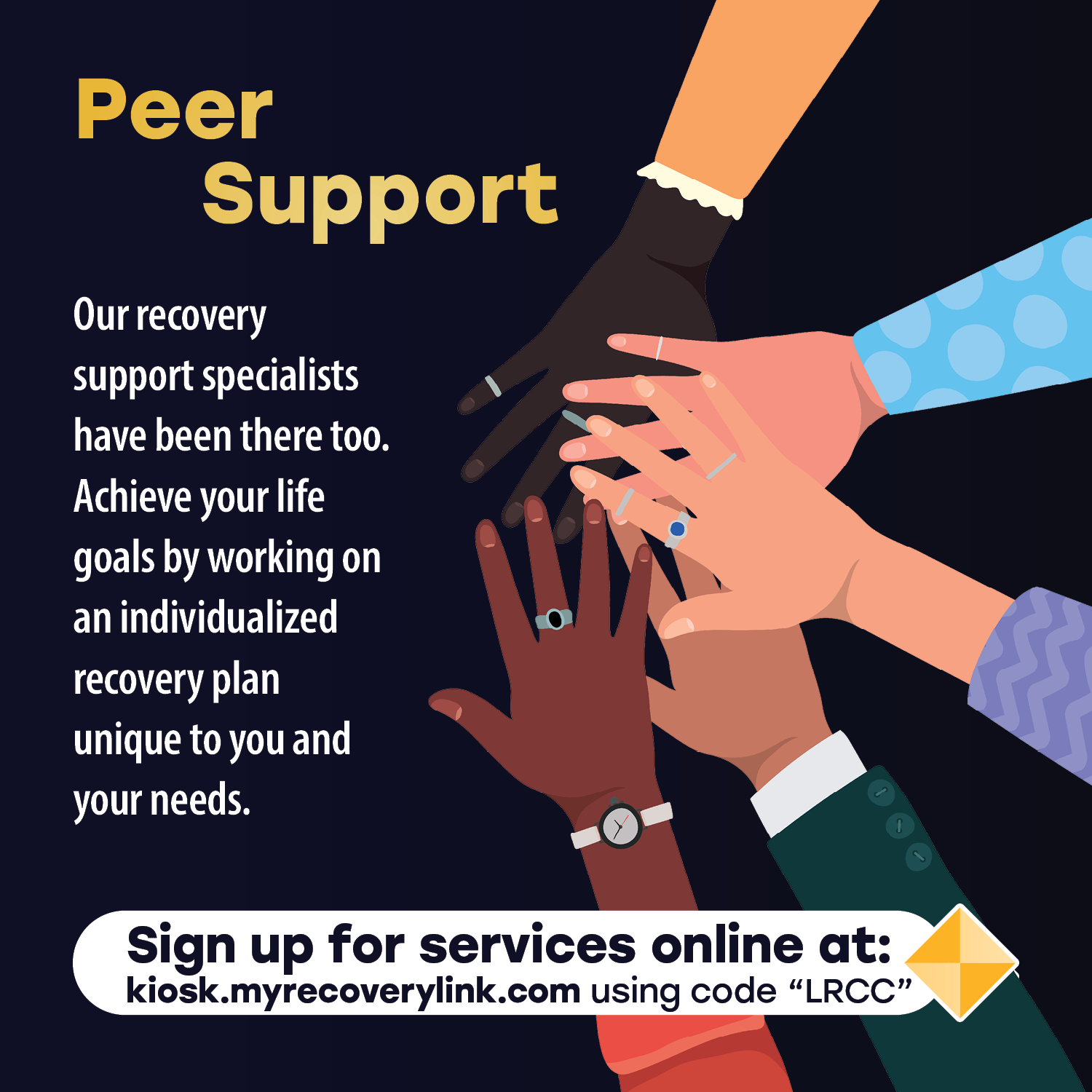
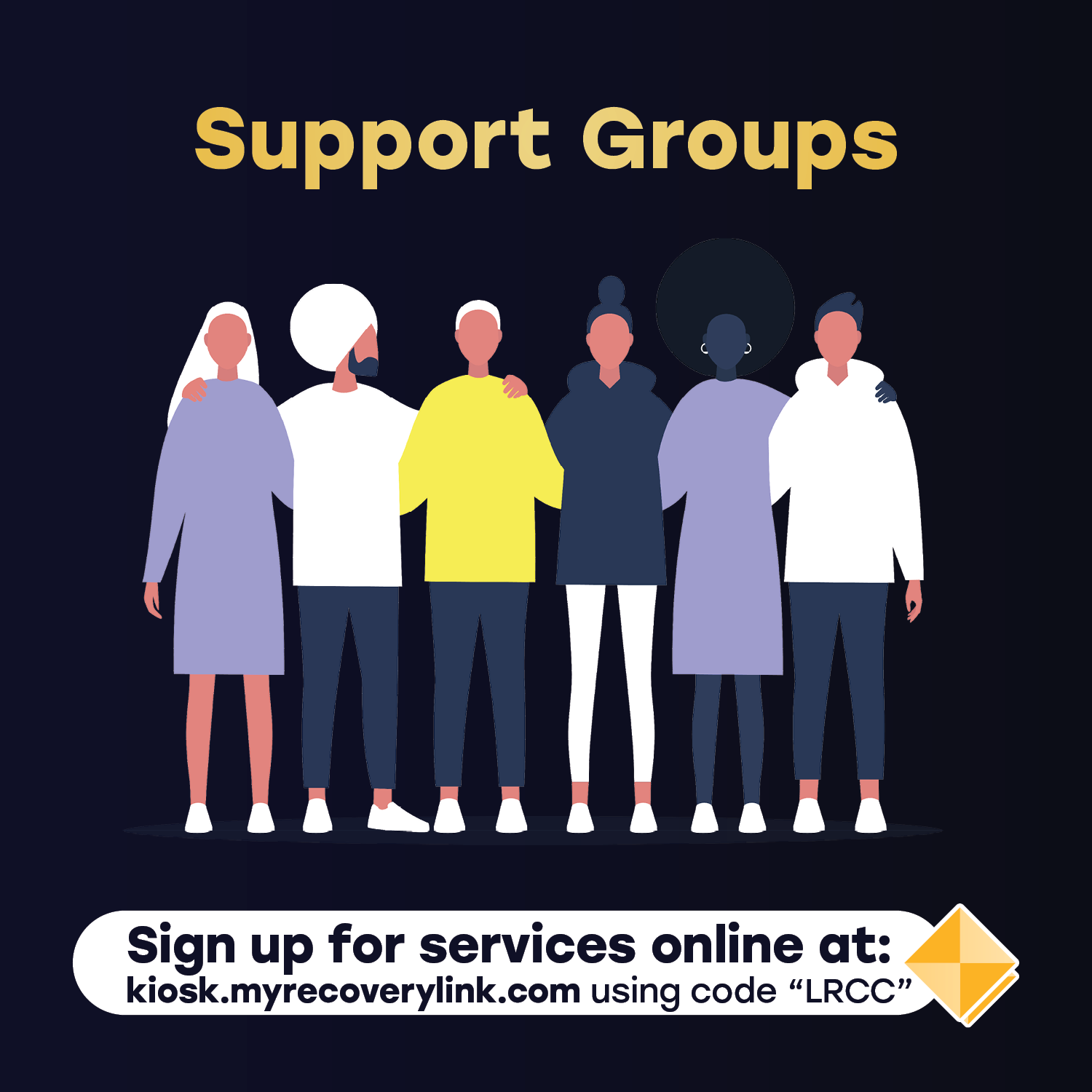
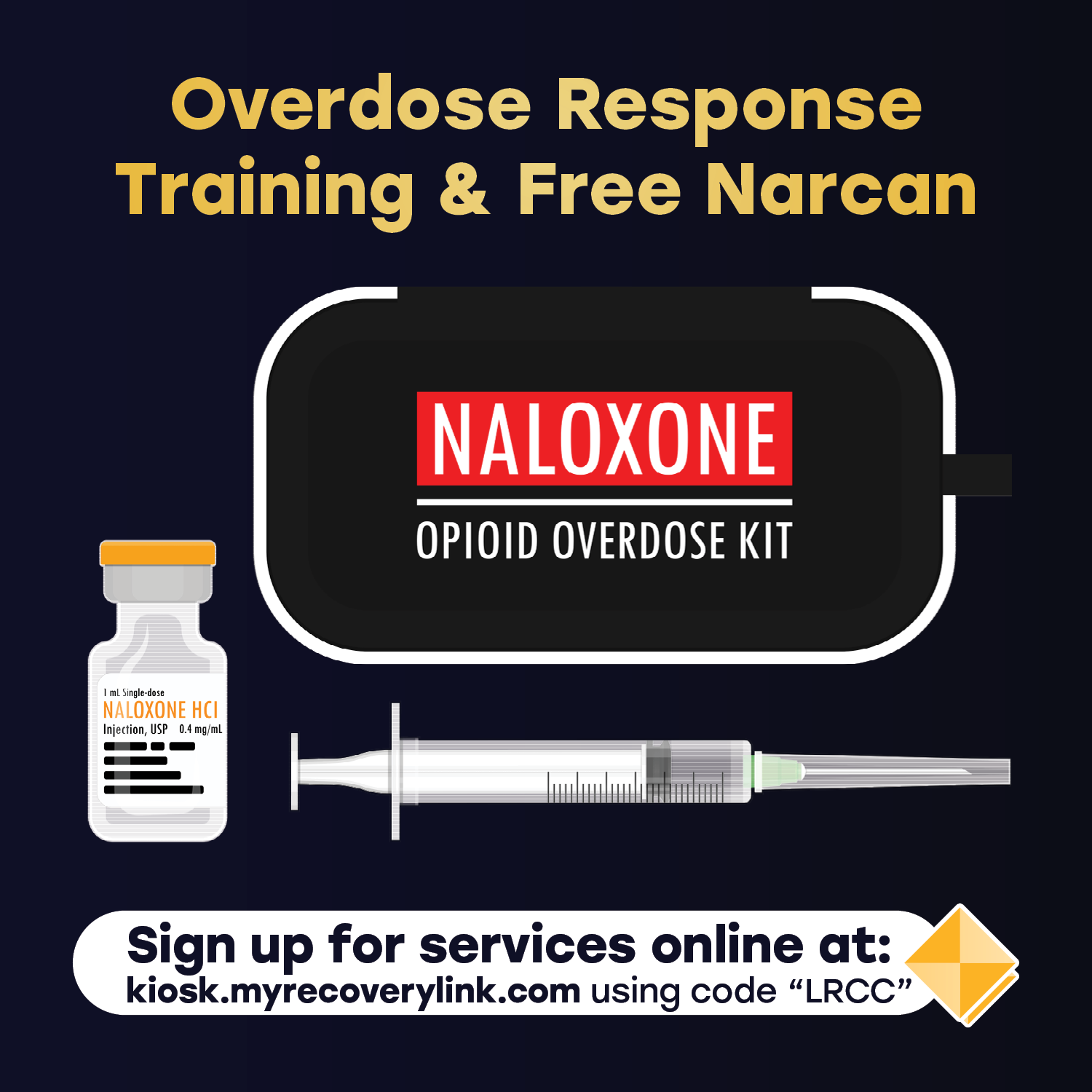
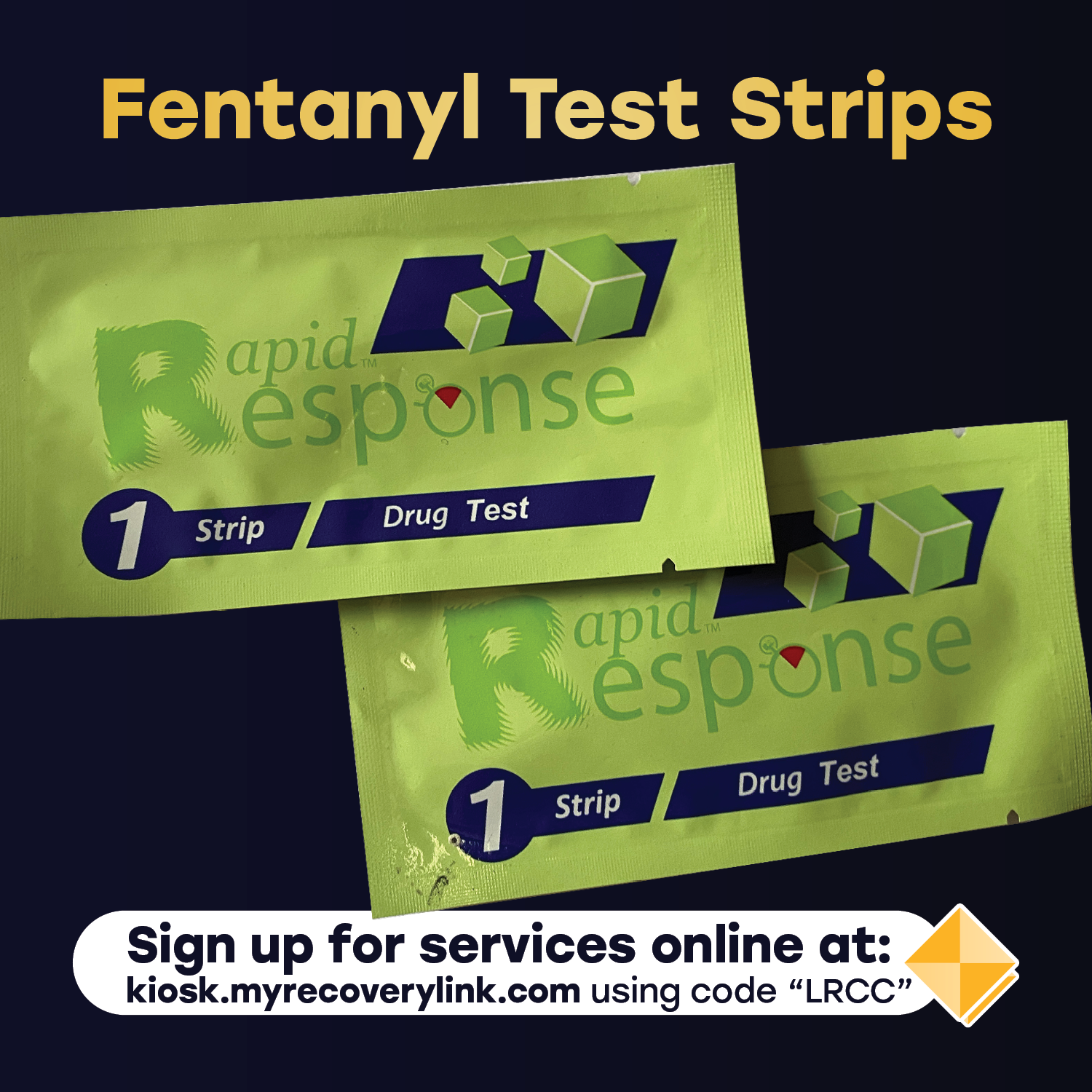
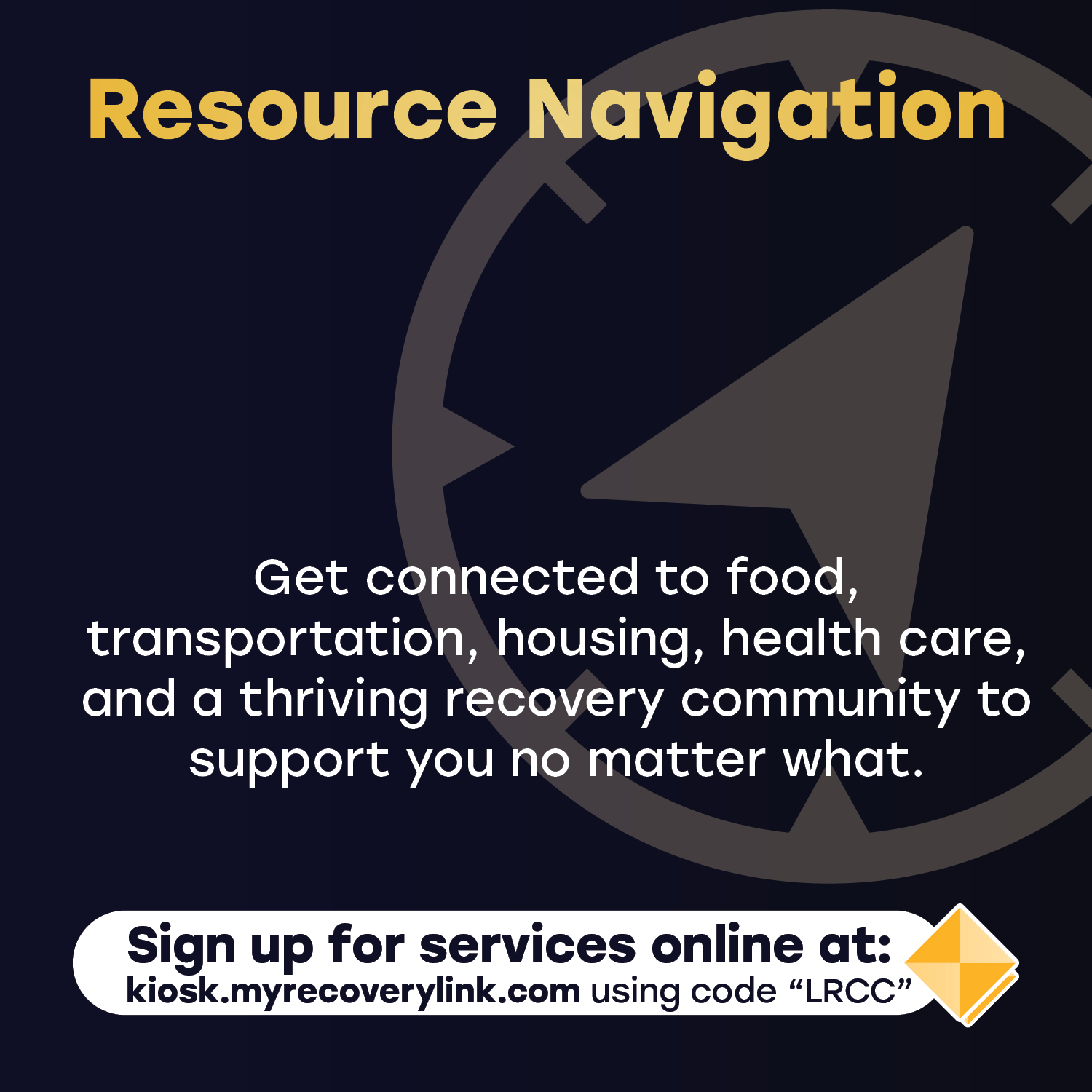
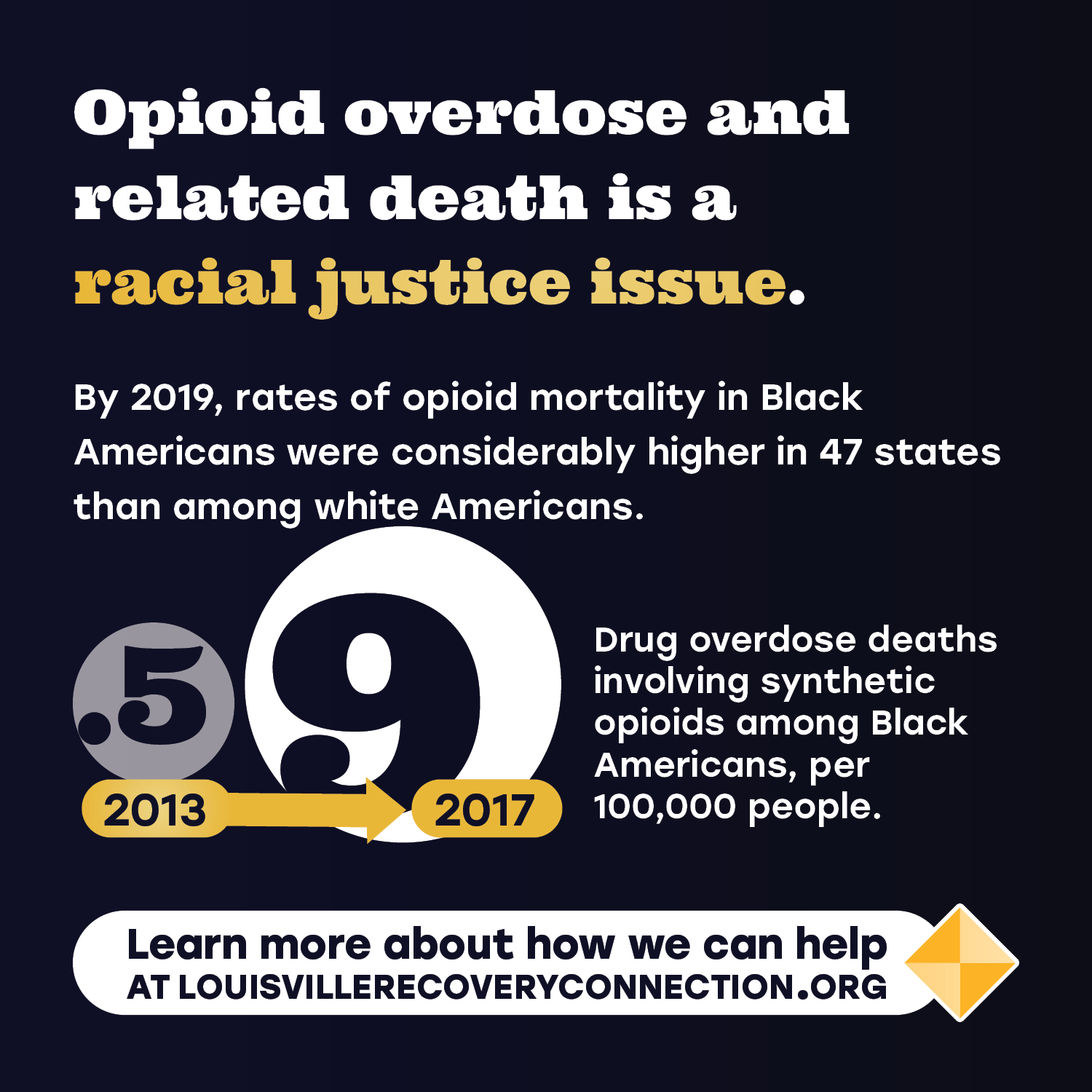
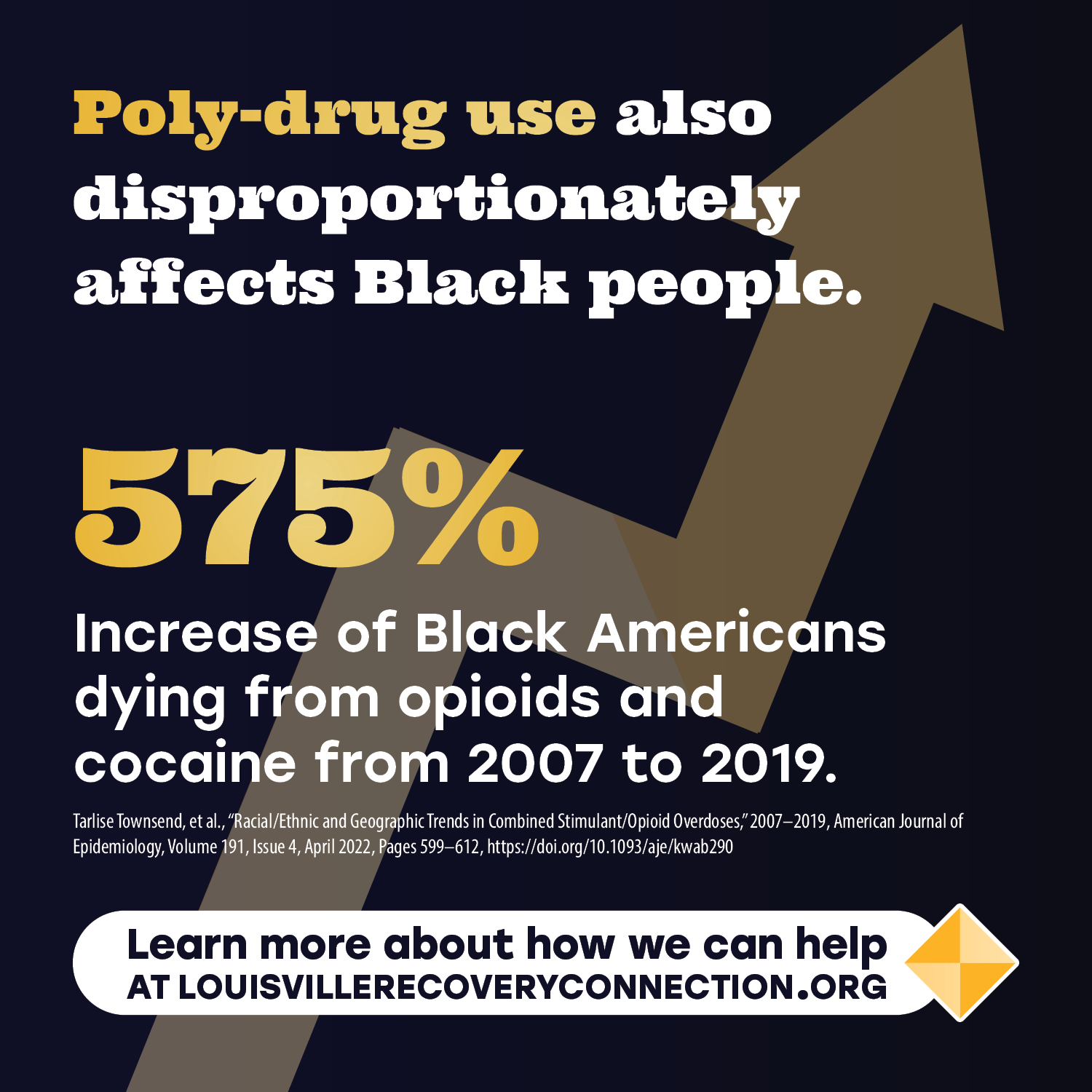
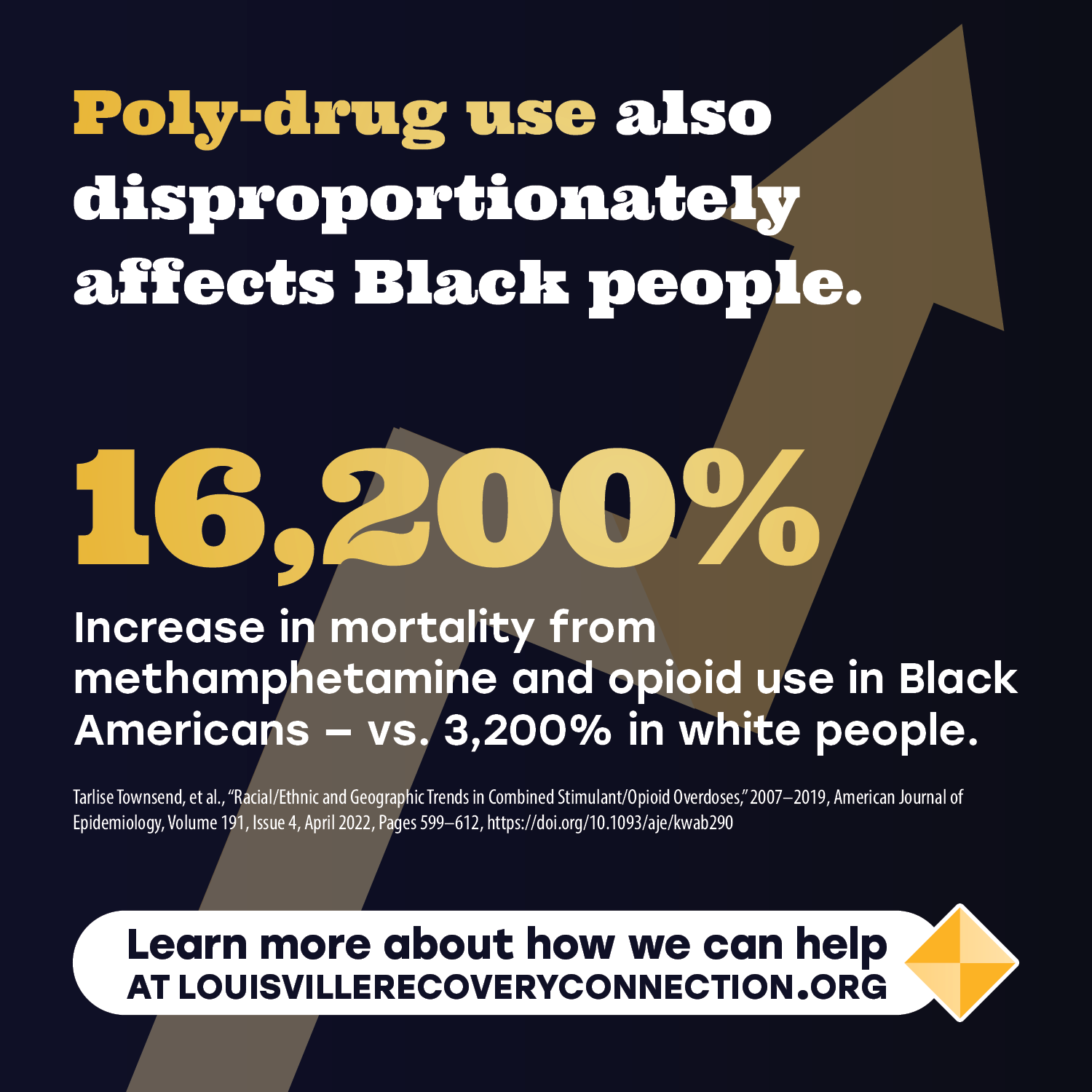
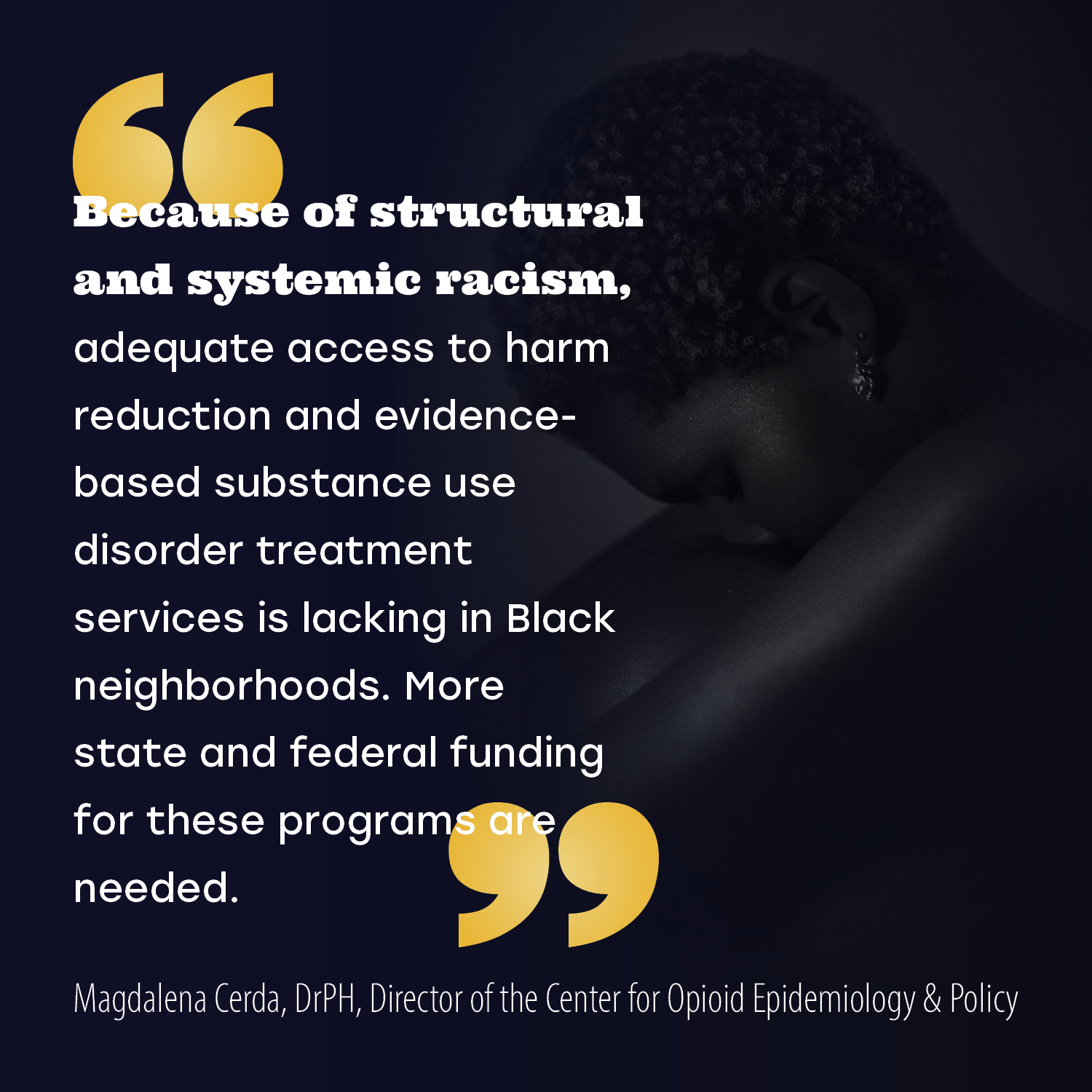
Second Epidemic social media graphics — 10 of 11
Training and advocacy decks built for peer educators, staff, and community partners.
Toward an Anti-Racist Recovery Advocacy
Volunteer Orientation
Motivational Interviewing
A program centered on Black creatives, where artistic expression is part of recovery.
Nspire is LRCC's arts-focused programming umbrella, built on the premise that creative expression is a legitimate path through recovery — not a supplement to it. I designed the event marketing suite for two Nspire events: Art du Noir, a community art show centering Black artists, and a poetry slam. Both called for a visual treatment that was celebratory and community-rooted rather than clinical or institutional, reflecting work that was doing something genuinely different in Louisville's recovery landscape.
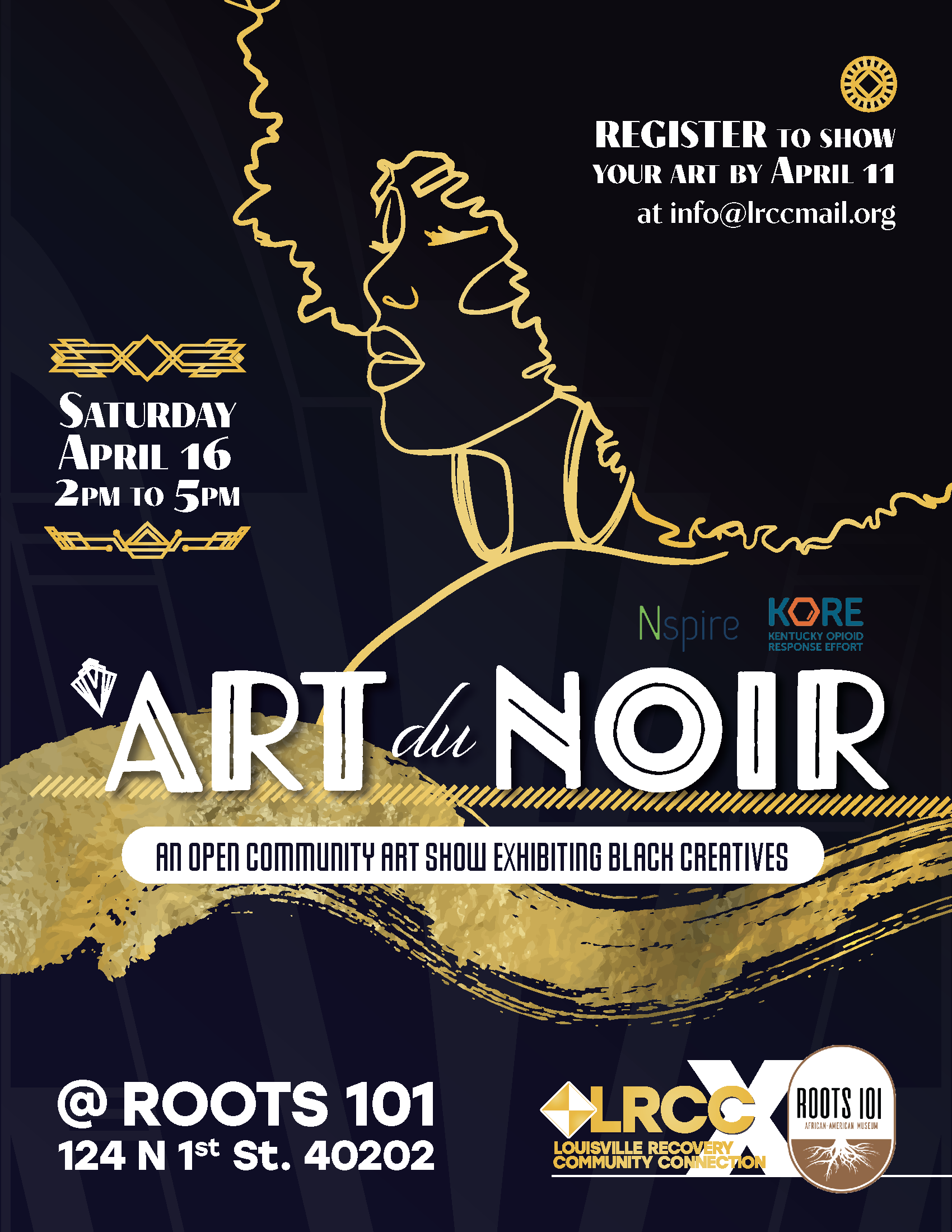
Nspire Art du Noir — art show flyer
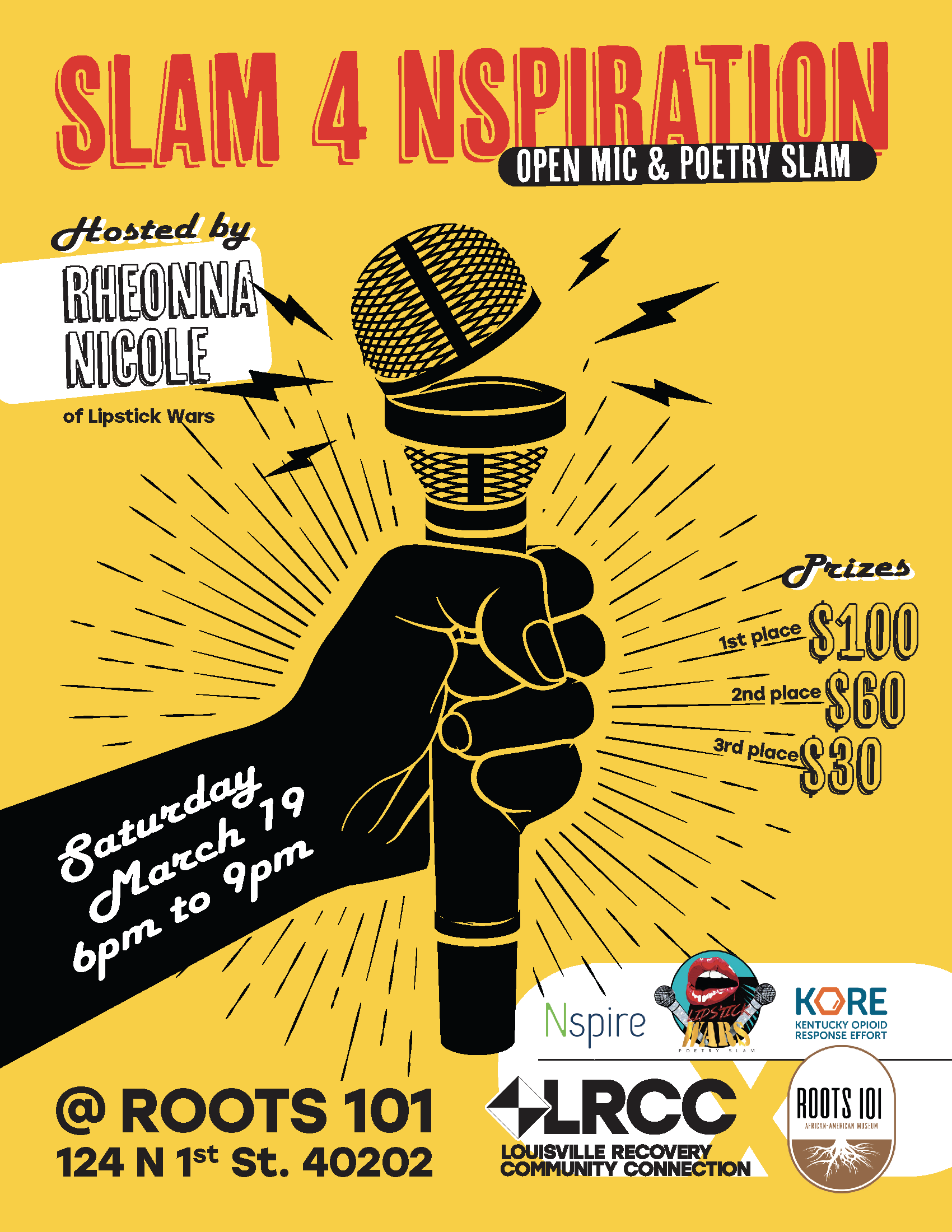
Nspire — poetry slam flyer